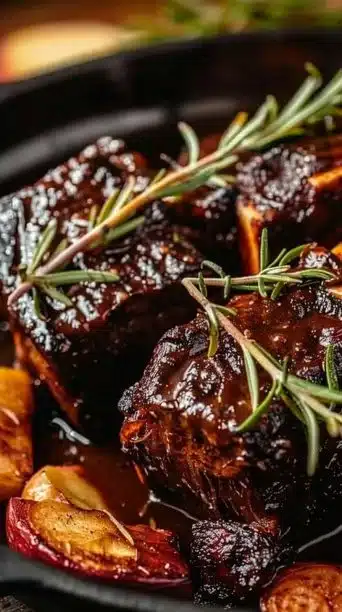
Rosemary Garlic Roast
This rosemary garlic roast is the kind of meal that smells like home the moment it starts to simmer — tender, fragrant beef perfumed with garlic and fresh rosemary. It’s perfect for slow Sundays or weeknight leftovers that feel special; if you enjoy cozy, herb-forward dinners, you might also like a complementary pasta recipe like roasted tomato and garlic ricotta pasta, which shares similar warm, savory flavors.
Why make this recipe
A short paragraph explaining what makes it special.
This Rosemary Garlic Roast is a deceptively simple recipe that delivers deep, slow-cooked flavor with minimal hands-on time. Searing the beef locks in juices and develops a caramelized crust, while the slow cooker gently breaks down connective tissue so the roast becomes melt-in-your-mouth tender. The combination of garlic and rosemary is classic for beef — aromatic, savory, and bright — and adding onions and optional root vegetables lets the juices deepen into a built-in gravy that’s both hearty and comforting.
Ingredients
- 2–3 pounds of beef roast
- 4 cloves of garlic, minced
- 2 tablespoons fresh rosemary, chopped (or 1 tablespoon dried)
- 1 onion, chopped
- 1 cup beef broth
- Salt and pepper to taste
- Optional: vegetables like carrots and potatoes
Step-by-Step Guide to Making Rosemary Garlic Roast
This guide expands each step so you can get the most flavor and an ideal texture from your roast.
Prepare the roast: Pat the beef roast dry with paper towels. Generously season all sides with salt and freshly ground black pepper. If you have time, season the roast several hours ahead and refrigerate uncovered for a mild dry-brine that will improve crust development and flavor depth.
Sear the roast: Heat a large, heavy skillet over medium-high heat and add a splash of neutral oil (canola, grapeseed, or a little olive oil). When the oil is shimmering, sear the roast on all sides — about 2–3 minutes per side — until a rich brown crust forms. Browning adds flavor through the Maillard reaction and helps the roast hold juices during long cooking. Don’t overcrowd the pan; sear in batches or rotate the roast as needed.
Prepare the crockpot base: Place the chopped onion and the minced garlic in the bottom of a crockpot. The onions create a flavor base and some lift so the meat doesn’t sit directly on ceramic, and they also caramelize slightly during the slow cooking.
Add the meat: Place the seared roast on top of the onions in the crockpot, crust side up. Positioning it above the aromatics helps their flavors infuse the meat as it slowly cooks.
Season with rosemary: Sprinkle the chopped fresh rosemary evenly over the roast. If using dried rosemary, crush it slightly in your fingers before sprinkling to wake up the oils and aroma.
Add the liquid: Pour the beef broth into the crockpot around the roast, not directly over the herb-topped surface (this keeps most of the rosemary on the roast). One cup of beef broth provides enough moisture to create a braising environment without diluting flavor; for a richer result you can substitute part of the broth with a splash of red wine or a tablespoon of Worcestershire sauce.
Add vegetables (optional): If using carrots and potatoes, add them chopped around the roast so they cook in the braising liquid and absorb the meat juices. Cut root vegetables into chunky pieces so they hold their texture during an 8-hour slow-cook.
Slow-cook to tenderness: Cover and cook on low for 8 hours or until the meat is tender and easily pulled apart with a fork. Low-and-slow is the key: it allows connective tissues (collagen) to break down into gelatin, giving the meat a silky texture and enriching the cooking juices. If you’re pressed for time, cook on high for 4–5 hours, but expect slightly less depth and tenderness.
Rest and serve: Remove the roast to a cutting board or platter and let it rest for 10–15 minutes before slicing or shredding. During this time the juices redistribute and the meat will hold together better. If you’ve cooked vegetables in the crockpot, scoop them around the roast when serving, and spoon the cooking juices over the meat.
Serve hot with the cooked vegetables and a ladle of the braising juices or reduced pan sauce.
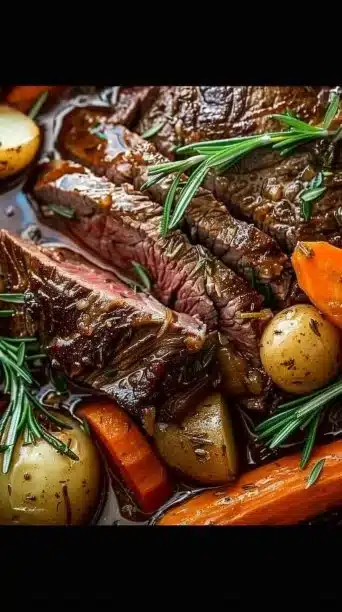
Storage Tips for Rosemary Garlic Roast
- Refrigerate: Place cooled leftovers in an airtight container and refrigerate at 40°F (4°C) or below. Consume within 3–4 days.
- Freeze: For longer storage, freeze in an airtight, freezer-safe container or heavy-duty freezer bag at 0°F (-18°C). Use within 3 months for best quality.
- Reheat: Thaw frozen roast overnight in the refrigerator before reheating. Reheat gently in a low oven (about 300°F/150°C) covered, or warm slices in a skillet with a splash of broth to keep the meat moist.
Best Ways to Serve Rosemary Garlic Roast
- Classic plated dinner: Slice the roast against the grain and serve with the slow-cooked carrots and potatoes, a spoonful of pan juices, and a green vegetable like sautéed green beans or roasted Brussels sprouts.
- Hearty sandwich: Thinly slice the roast and pile it onto crusty rolls with horseradish mayo or Dijon mustard and a few pickled onions for brightness.
- Pot pie or shepherd’s-style bowl: Chop the beef and mix with thickened gravy and roasted vegetables, then spoon into a bowl over mashed potatoes or under a flaky pastry top.
- Leftovers reinvented: Dice leftover roast and add to omelets, grain bowls, or tossed into a quick pasta with garlic-and-butter sauce for a fast weeknight meal.
Tips to Make Rosemary Garlic Roast
- Give the roast a dry-brine: Salt the meat several hours before cooking and let it sit uncovered in the fridge. This improves flavor and surface browning.
- Don’t skip the sear: Even though the roast will cook slowly, searing creates flavor and pleasing exterior texture.
- Use fresh rosemary if possible: Fresh herbs give a brighter, more aromatic profile. If using dried, use about one-third the amount and crush it to release oils.
- Keep the lid on: Resist the urge to lift the crockpot lid frequently — every lift lengthens cooking time and reduces internal heat.
- Save the juices: They make an excellent base for gravy; strain and skim fat if you prefer a leaner sauce.
Variations
- Slow-Roasted with Red Wine (paragraph): For a deeper, more complex sauce, add 1/2 cup of dry red wine to the beef broth before slow cooking. The wine’s acidity balances the richness and helps build a savory, slightly tangy jus as it reduces during cooking.
- Herb-Butter Crust (bullet): Before searing, spread a compound butter (softened butter mixed with minced garlic, chopped rosemary, and a pinch of salt) over the roast. Sear to create a flavorful crust that melts into the meat as it slow-cooks.
FAQs
Q: How do I keep the roast moist?
A: Cook on low in the crockpot and avoid overcooking; adding a cup of beef broth ensures the meat has enough moisture to braise and stay tender.
Q: Can I use a different cut of beef?
A: Yes. Cuts with more connective tissue like chuck roast, bottom round, or brisket work best for slow cooking. They become tender and flavorful when cooked low and slow.
Q: What if I don’t have fresh rosemary?
- Use 1 tablespoon dried rosemary, crushed between your fingers.
- Combine with other dried herbs like thyme for added complexity.
- Consider adding a bay leaf to the braising liquid for another layer of flavor.
Q: Can this be cooked in the oven instead of a crockpot?
A: Yes. Preheat the oven to 300°F (150°C). After searing, place the roast and aromatics in a covered Dutch oven with the broth and vegetables, and roast for 3–4 hours or until fork-tender.
Q: How can I make a thicker gravy from the juices?
A: Remove the roast and vegetables, strain the cooking liquid into a saucepan, simmer to concentrate, and whisk in a slurry of 1 tablespoon cornstarch mixed with 2 tablespoons cold water until slightly thickened. Adjust seasoning.
Cooking notes and technique deep-dive
Understanding why each step matters will help you adapt the recipe confidently. Searing is not about cooking the meat through; it’s about flavor development. The fond (browned bits) left in the skillet after searing contains concentrated flavor that adds depth to the pot juices — consider deglazing the skillet with a splash of beef broth or red wine and pouring that into the crockpot to capture every bit of flavor.
Garlic and rosemary are the stars here, but timing matters: raw minced garlic tucked under the roast will mellow and sweeten as it cooks; if you prefer a sharper garlic presence, add a couple of cloves halfway through cooking or use roasted garlic as a finishing garnish. Fresh rosemary releases volatile oils that smell brighter; however, because rosemary is woody, chopping it finely or bruising the sprigs helps release their fragrance into the meat.
If you’re cooking for a crowd and need more volume, double the vegetables rather than the roast — vegetables bulk up the plate and soak up the braising liquid, stretching the meal farther without overcooking larger cuts of meat.
Making it special for company
A few small touches elevate this to a dinner-party roast. Finish the reduced pan juices with a knob of cold butter whisked in at the end for gloss and mouthfeel, and scatter a handful of chopped fresh parsley or lemon zest over the sliced roast for brightness. Serve the roast family-style on a wooden board surrounded by roasted root vegetables for a rustic presentation that invites guests to serve themselves.
Leftovers inspiration
Leftover roast is versatile. Shred and toss with a little barbecue sauce for brisket-style sliders, chop and fold into a savory tart with caramelized onions and horseradish, or thinly slice and warm through with sautéed mushrooms for a quick steak-and-onion sandwich. The concentrated savory juices make an excellent base for quick soups and stews as well.
Troubleshooting common issues
- Dry roast: Likely overcooked or insufficient fat/connective tissue in the cut. Use a fattier cut or shorten high-heat cooking time, and be sure to sear quickly without drying the surface.
- Bland flavor: Don’t skimp on salt; cooking dilutes flavors. Taste and adjust seasonings in the braising liquid before serving, and consider adding a splash of acid (red wine vinegar or lemon juice) when finishing to brighten the dish.
- Tough meat after long cook: Either the roast wasn’t braised at a hot enough temperature for long enough, or a lean cut without enough connective tissue was used. Ensure low setting is functioning properly and choose the right cut for slow cooking.
Nutrition and customization
This recipe is naturally rich in protein and can be tailored to dietary needs. Trim excess visible fat for a leaner dish, or keep a bit of marbling for juiciness. For lower-sodium diners, use low-sodium beef broth and moderate added salt, adjusting to taste at the end.
Final tips for a flawless roast
- Use an instant-read thermometer if you want to be precise: slow-cooked pot roasts are usually done when fork-tender rather than at a specific internal temperature, but pulling the meat around 195–205°F will yield shreddable results for some cuts.
- Let the roast rest well after cooking; it will reabsorb juices as it cools slightly.
- If you plan to shred the meat, remove any large fat caps or connective tissue first and discard if desired.
Conclusion
If you’d like to compare techniques and flavor tweaks, the recipe at Rosemary and Garlic Roast Beef – Olivia’s Cuisine provides a straightforward approach with clear steps. For another photographed, step-by-step version with helpful tips, check out Rosemary Garlic Roast Beef Recipe.
Print
Rosemary Garlic Roast
- Total Time: 495 minutes
- Yield: 6 servings 1x
- Diet: Gluten-Free
Description
A tender, fragrant beef roast perfumed with garlic and fresh rosemary, perfect for cozy dinners.
Ingredients
- 2–3 pounds of beef roast
- 4 cloves of garlic, minced
- 2 tablespoons fresh rosemary, chopped (or 1 tablespoon dried)
- 1 onion, chopped
- 1 cup beef broth
- Salt and pepper to taste
- Optional: vegetables like carrots and potatoes
Instructions
- Pat the beef roast dry with paper towels and season generously with salt and pepper. Refrigerate if possible for a few hours.
- Heat a skillet over medium-high heat, add oil, and sear the roast on all sides until brown, about 2–3 minutes per side.
- Place chopped onion and minced garlic in the bottom of a crockpot.
- Put the seared roast on top of the onions in the crockpot, crust side up.
- Sprinkle chopped rosemary over the roast.
- Pour beef broth around the roast without rinsing off the rosemary.
- If using, chop and add carrots and potatoes around the roast.
- Cover and slow-cook on low for 8 hours or high for 4–5 hours until tender.
- Let the roast rest for 10–15 minutes before slicing or shredding. Serve with vegetables and cooking juices.
Notes
Searing before slow cooking enhances flavor; feel free to substitute part of the broth with red wine for added richness.
- Prep Time: 15 minutes
- Cook Time: 480 minutes
- Category: Main Course
- Method: Slow Cooking
- Cuisine: American
Nutrition
- Serving Size: 1 serving
- Calories: 350
- Sugar: 3g
- Sodium: 450mg
- Fat: 12g
- Saturated Fat: 4g
- Unsaturated Fat: 6g
- Trans Fat: 0g
- Carbohydrates: 30g
- Fiber: 3g
- Protein: 30g
- Cholesterol: 80mg
Keywords: roast, beef, rosemary, garlic, slow-cooker, comfort food