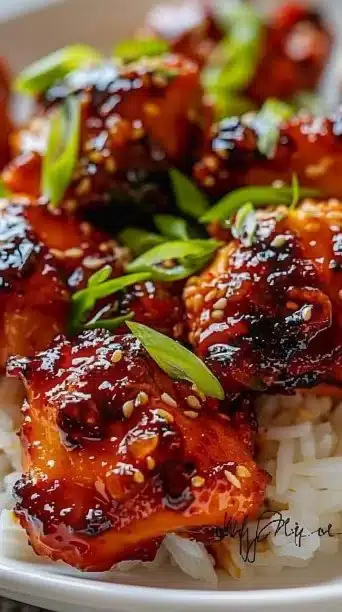
Sticky Honey Gochujang Chicken
Sticky Honey Gochujang Chicken
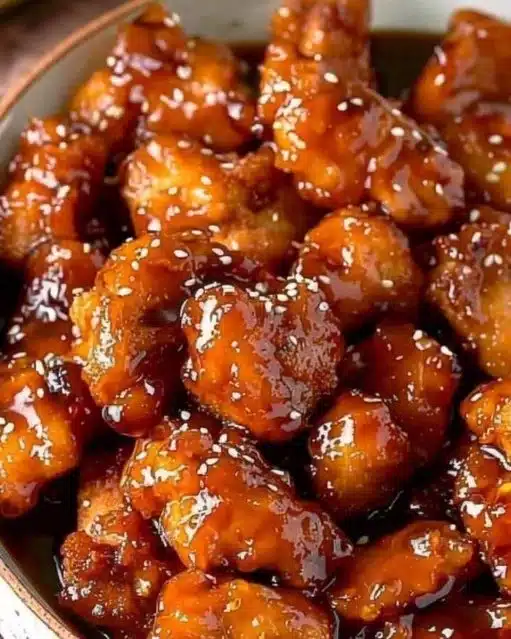
A friendly, down-to-earth twist on sticky-sweet Korean flavors, this dish brings bright heat and shiny glaze to your weeknight table in under an hour. Tender, cornstarch-dredged chicken bites get a caramelized coating from honey and gochujang, creating a balance of sweet, spicy, and umami that’s impossible to resist. If you like a little crunch with your sauce, serve it over rice or noodles and watch everyone reach for second helpings — this recipe pairs nicely with a crunchy hot-honey chicken riff like baked crunchy hot honey chicken for a playful menu contrast.
Why make this recipe
If you’re tired of predictable weeknight dinners and want something bold without complicated techniques, this recipe is perfect because it delivers layered flavors with minimal fuss. It’s fast, flexible, and crowd-pleasing — sweet honey tempers the gochujang heat so even spice-averse eaters can enjoy it. Plus, the crispy exterior from a light cornstarch dredge means you get texture as well as sauce.
Ingredients
- 1.5 pounds (700g) chicken thighs, boneless and skinless, cut into 1.5-inch pieces
- 1/4 cup cornstarch
- 1 tablespoon vegetable oil
- Salt and freshly ground black pepper, to taste
- 1/4 cup gochujang (Korean chili paste)
- 1/4 cup honey
- 2 tablespoons soy sauce
- 2 tablespoons rice vinegar
- 1 tablespoon sesame oil
- 4 cloves garlic, minced
- 1 tablespoon ginger, grated
- 1/2 cup chicken broth or water
- 1 teaspoon cornstarch (for slurry)
- 1 teaspoon sesame seeds, for garnish
- Sliced green onions, for garnish
- Cooked rice or noodles, for serving
Step-by-Step Guide to Making Sticky Honey Gochujang Chicken
- Prepare the chicken
- Pat the chicken pieces dry with paper towels. Moisture is the enemy of crispiness, so get them as dry as possible.
- Season lightly with salt and freshly ground black pepper. Even though the sauce is flavorful, seasoning the base ensures every bite is well-balanced.
- Place the 1/4 cup cornstarch in a shallow bowl or plate and dredge the chicken pieces, shaking off excess cornstarch so you have a thin, even coating. This small layer gives the chicken a slightly crisp, glossy finish once cooked.
- Prepare the sauce
- In a medium bowl, whisk together 1/4 cup gochujang, 1/4 cup honey, 2 tablespoons soy sauce, 2 tablespoons rice vinegar, 1 tablespoon sesame oil, 4 minced garlic cloves, 1 tablespoon grated ginger, and 1/2 cup chicken broth or water until smooth. Taste and adjust: add a touch more honey if you want sweeter, or a splash more rice vinegar for brightness.
- In a separate small bowl, mix 1 teaspoon cornstarch with 1 tablespoon cold water to make a slurry. This will be used to thicken the sauce quickly at the end without creating lumps.
- Cook the chicken
- Heat 1 tablespoon vegetable oil in a large skillet or nonstick pan over medium-high heat. Make sure the pan is hot before adding the first batch of chicken — a sizzling sound indicates the oil is ready and will help create a golden crust.
- Work in batches so the chicken pieces aren’t crowded; crowded chicken steams instead of browns. Cook for about 3–4 minutes per side until each piece develops a golden-brown crust and is cooked through (internal temperature 165°F / 74°C). Transfer cooked pieces to a plate while you finish the rest.
- Thicken the sauce
- Reduce heat to medium-low and pour the prepared gochujang-honey sauce into the skillet. Bring it to a gentle simmer, stirring to pick up any browned bits on the pan — those add valuable flavor.
- Slowly whisk in the cornstarch slurry, stirring constantly for 1–2 minutes until the sauce thickens to a glossy, syrupy consistency that will cling to the chicken. If it becomes too thick, whisk in a tablespoon or two of water or chicken broth to loosen it slightly; the sauce should coat the back of a spoon.
- Combine and glaze
- Return the cooked chicken to the skillet and toss gently to coat every piece thoroughly with the sticky glaze. Let the chicken simmer with the sauce for 1–2 minutes so the glaze can set and adhere. Taste one piece and adjust seasoning — a pinch of salt, a squeeze of lime, or an extra drizzle of honey can balance the flavors to your preference.
- Finish with a drizzle of sesame oil for aroma, then transfer to a serving plate.
- Garnish and serve
- Sprinkle with sesame seeds and sliced green onions. Serve immediately over hot rice or wok-tossed noodles, and consider a side of lightly dressed greens to cut the richness.
Notes on technique and timing
- Using boneless, skinless chicken thighs helps maintain juiciness — thighs withstand higher heat and longer cooking without drying out compared to breast.
- The cornstarch dredge is light; you want a thin layer that crisps quickly without becoming gummy. Shake off excess cornstarch thoroughly.
- Gochujang varies in heat and saltiness by brand. Taste your sauce before thickening and adjust honey, soy, or vinegar to suit it.
- If you prefer a deeper caramelization on the chicken, sear on slightly higher heat but watch carefully to avoid burning the gochujang glaze.
Best Way to Store Sticky Honey Gochujang Chicken
- Refrigerator: Store in an airtight container for up to 3–4 days at 40°F (4°C).
- Freezer: Freeze portions in airtight containers or freezer bags for up to 2 months at 0°F (-18°C). Thaw overnight in the refrigerator before reheating.
- Reheating: Reheat gently in a skillet over low-medium heat with a splash of water or broth to loosen the sauce, or microwave covered in 30-second bursts until steaming (internal temp 165°F / 74°C).
Serving Suggestions for Sticky Honey Gochujang Chicken
- Over steamed short-grain rice: The classic choice — rice soaks up the sticky glaze.
- With noodles: Tossed with sesame oil, scallions, and a handful of blanched greens (bok choy or spinach).
- As a bowl: Layer rice or grains, pickled vegetables (quick cucumber or daikon), the chicken, and a fried egg for richness.
- On lettuce cups: Spoon chicken into butter lettuce for a lighter, hand-held option with crunch.
- Side salads and veg: A quick sesame-citrus slaw or roasted broccoli provides fresh contrast to the sauce’s sweetness.
Tips to make Sticky Honey Gochujang Chicken (Q&A style)
Q: How do I keep the chicken juicy and prevent it from drying out?
A: Use thigh meat if possible; it stays moist at higher temps. Don’t overcook in the pan — 3–4 minutes per side is usually enough for 1.5-inch pieces. Let the chicken rest briefly in the hot pan while you make the sauce; residual heat finishes the cooking.
Q: My sauce is too thin — how can I thicken it?
A: Make sure to whisk in the cornstarch slurry slowly over simmering sauce and allow it a minute to reach full thickness. If you skipped the slurry, dissolve another 1 tsp cornstarch in a bit of cold water and add.
Q: How can I tone down the heat from gochujang?
A: Increase honey, add a splash more rice vinegar or soy for balance, or fold in a tablespoon of mayonnaise or plain yogurt to mellow the spice in a serving sauce (not authentic, but effective for kids).
Variations
- Spicy-sesame chicken (bullet): Add 1–2 teaspoons of Korean chili flakes (gochugaru) to the sauce and finish with extra toasted sesame seeds for crunch. This boosts heat and adds smoky red pepper notes.
- Crispy oven-baked version (paragraph): For a hands-off approach, toss the cornstarch-coated chicken pieces with a little oil, arrange on a wire rack over a baking sheet, and bake at 425°F (220°C) for 15–20 minutes until crisp. Finish by tossing in the warmed gochujang-honey sauce on the stovetop for the sticky glaze.
Variations comparison
- Pan-fried vs. oven-baked: Pan-frying yields the quickest crisp and deepest caramelization with immediate sauce adhesion; oven-baking is cleaner and more even but may produce a slightly lighter crust, so toss in the hot glaze immediately after baking for best cling.
Troubleshooting and deeper technique
- Sauce won’t stick: If the glaze slides off, the sauce may be too thin or the chicken surface too wet. Ensure a dry dredge and reduce the sauce slightly longer before adding chicken. A small final simmer with chicken in the sauce helps it bond.
- Sauce tastes flat: Adjust one of the pillars — acid (rice vinegar), salt (soy), sweet (honey), or heat (gochujang). Even a squeeze of lime or orange can perk the final dish.
- Gochujang burned: Gochujang contains sugars and can scorch if cooked at high heat for too long. Keep the sauce at a gentle simmer and stir continuously while reducing.
Pairings and menu ideas
- Beverage: A cold lager or slightly sweet Riesling balances the spicy-sweet profile. For nonalcoholic options, barley tea or citrus-infused sparkling water works well.
- Side dishes: Korean-style banchan such as kimchi, pickled cucumbers, or spicy cucumber salad create a multi-textured meal. Steamed greens dressed with toasted sesame oil and garlic are a simple, complementary side.
- Meal prep: Make a double batch of sauce and store it separately; when reheating pre-cooked chicken, warm the sauce and toss to refresh the dish for a quick lunch.
FAQs
Q: Can I use chicken breast instead of thighs?
A: Yes. Chicken breast will work but can dry out more easily; cut into slightly larger pieces and reduce cooking time, and consider a quick brine (salt + water for 30 minutes) to help retention of moisture.
Q: Is there a vegetarian version of this recipe?
A: Substitute firm tofu or cauliflower florets. Coat in cornstarch and pan-fry or roast until crispy, then toss in the gochujang-honey glaze. Press extra water out of tofu first for best texture.
Q: Can I make the sauce ahead of time?
A: Absolutely. The sauce keeps well refrigerated for 3–4 days. Warm gently before tossing with freshly cooked chicken. If it thickens too much after refrigeration, stir in a splash of warm water or broth to loosen.
How spicy is this dish?
The heat level is moderate and depends on the gochujang brand. If you’re sensitive to spice, start with less gochujang and increase to taste; the honey and vinegar help balance the heat.
Equipment and pantry staples to have on hand
- Heavy skillet or nonstick pan for even browning
- Measuring spoons and cups, whisk, and small bowl for slurry
- Tongs or spatula for turning chicken pieces
- Instant-read thermometer (optional but helpful) to ensure 165°F / 74°C for doneness
Serving size and nutrition (approximate)
- This recipe serves 4 as a main with rice. Nutrition per serving will vary with portion size and sides; expect a moderate calorie count due to honey and cooking oil, with a good amount of protein from chicken thighs.
Leftover uses and meal ideas
- Turn leftovers into a sandwich or wrap with crisp lettuce and pickles.
- Chop and fold into fried rice or a noodle stir-fry for a quick next-day meal.
- Use as a topping for grain bowls with roasted vegetables and a fried egg.
Final presentation tips
- Serve on a wide shallow bowl to show off the glossy glaze and garnishes.
- Add a small wedge of lime or lemon on the side for diners who like a bright finish.
- Toast sesame seeds briefly in a dry pan for extra fragrance just before serving.
Conclusion
If you want an inspiration for a slightly different take on sticky, spicy chicken, check out the detailed variation at Sticky Gochujang-Honey Chicken – Nerds with Knives for alternative techniques and plating ideas. For another recipe that leans into garlic-forward sticky gochujang chicken, see Sticky Garlic Gochujang Chicken Recipe | Little Spice Jar for more flavor variations and serving suggestions.
Print
Sticky Honey Gochujang Chicken
- Total Time: 45 minutes
- Yield: 4 servings 1x
- Diet: None
Description
A friendly, down-to-earth twist on sticky-sweet Korean flavors, this dish features tender chicken bites with a caramelized honey and gochujang glaze.
Ingredients
- 1.5 pounds (700g) boneless, skinless chicken thighs, cut into 1.5-inch pieces
- 1/4 cup cornstarch
- 1 tablespoon vegetable oil
- Salt and freshly ground black pepper, to taste
- 1/4 cup gochujang (Korean chili paste)
- 1/4 cup honey
- 2 tablespoons soy sauce
- 2 tablespoons rice vinegar
- 1 tablespoon sesame oil
- 4 cloves garlic, minced
- 1 tablespoon ginger, grated
- 1/2 cup chicken broth or water
- 1 teaspoon cornstarch (for slurry)
- 1 teaspoon sesame seeds, for garnish
- Sliced green onions, for garnish
- Cooked rice or noodles, for serving
Instructions
- Pat the chicken pieces dry with paper towels and season lightly with salt and pepper.
- Dredge the chicken pieces in cornstarch, shaking off excess.
- In a medium bowl, whisk together gochujang, honey, soy sauce, rice vinegar, sesame oil, garlic, ginger, and chicken broth until smooth.
- In a small bowl, mix cornstarch with cold water to create a slurry.
- Heat vegetable oil in a skillet over medium-high heat and cook the chicken in batches until golden brown, about 3–4 minutes per side.
- Transfer cooked chicken to a plate and reduce heat to medium-low.
- Pour in the gochujang-honey sauce and bring to a gentle simmer, then add the cornstarch slurry and stir until thickened.
- Return the chicken to the skillet and toss to coat with the sauce, simmering for another 1–2 minutes.
- Serve garnished with sesame seeds and green onions over rice or noodles.
Notes
Using boneless, skinless chicken thighs helps retain juiciness, and the cornstarch dredge contributes to a crisp exterior.
- Prep Time: 15 minutes
- Cook Time: 30 minutes
- Category: Main Course
- Method: Pan-searing
- Cuisine: Korean
Nutrition
- Serving Size: 1 serving
- Calories: 350
- Sugar: 15g
- Sodium: 800mg
- Fat: 12g
- Saturated Fat: 2g
- Unsaturated Fat: 8g
- Trans Fat: 0g
- Carbohydrates: 45g
- Fiber: 1g
- Protein: 24g
- Cholesterol: 100mg
Keywords: Korean Chicken, Gochujang, Honey Chicken, Quick Dinner, Weeknight Meal