Mary Berry’s Rugby Lamb
Mary Berry’s Rugby Lamb
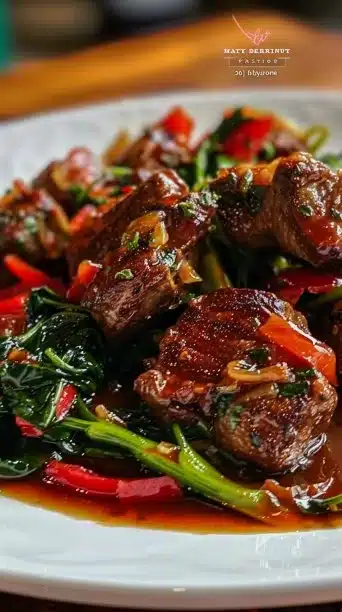
There’s a comforting, slow-cooked warmth to Mary Berry’s Rugby Lamb that feels like a kitchen full of conversation and old recipes passed down through generations. This version takes its time to turn inexpensive, hearty meat into fall-apart tender bites and a glossy, deeply flavored sauce — perfect for a cozy family dinner. For a crunchy, savory side, try pairing it with some parmesan rosemary crackers which cut through the richness beautifully.
Why make this recipe
If you’re tired of dry, hurried roasts that don’t deliver on comfort, this slow-simmered Rugby Lamb-style stew is perfect because it uses simple pantry ingredients and long, gentle cooking to transform everyday beef into something sumptuous and soulful. The method is forgiving, the flavors are layered and robust, and it yields plenty for leftovers and relaxed meals.
Step-by-Step Guide to Making Mary Berry’s Rugby Lamb
Ingredients
- 1.5 kg beef shoulder
- 2 tbsp sunflower oil
- 2 onions, diced
- 2 carrots, chopped
- 3 cloves garlic, minced
- 500 ml vegetable stock
- 2 tbsp tomato purée
- 2 tsp balsamic glaze
- 1 tsp dried rosemary
- Salt and pepper to taste
- ¼ tsp cayenne pepper
- 2 tsp ground cumin
Directions
- Trim excess fat from beef and cut into chunks.
- Heat oil in pot, brown beef on all sides.
- Remove beef, sauté onions and carrots for 5 mins, add garlic.
- Stir in tomato purée, add stock and balsamic glaze, simmer.
- Return beef to pot, add rosemary, season, and simmer for 2-2.5 hours.
- Let beef rest, reduce sauce if desired, serve.
How this recipe works (the method explained)
- Browning: Searing the beef first creates savory caramelized flavors through the Maillard reaction. These browned bits are essential for a deep-tasting sauce.
- Aromatics: Onions, carrots and garlic form the flavor base; sweating them gently releases natural sugars without burning.
- Braising liquid: The combination of tomato purée and vegetable stock gives acidity and body, while the balsamic glaze adds a rounded sweetness and depth.
- Low-and-slow finish: Gentle simmering for 2–2.5 hours breaks down connective tissue and collagen in the shoulder cut, yielding tender meat and a silky sauce.
Why the spice choices matter
The cayenne pepper offers a subtle lift without overwhelming heat, and ground cumin introduces an earthy warmth that complements the tomato and balsamic notes. Rosemary ties everything to a classic roast profile, but it’s used sparingly so it doesn’t dominate.
Best Way to Store Mary Berry’s Rugby Lamb
- Refrigerator: Keep in an airtight container for up to 3–4 days at 4°C (39°F) or below.
- Freezer: Freeze in a suitable container for up to 3 months at −18°C (0°F) or lower. Thaw overnight in the refrigerator before reheating.
- Reheating: Gently reheat on the stovetop over low heat until steaming (do not boil vigorously to avoid drying out the meat), or use a 160°C (320°F) oven, covered, until heated through.
How to Present Mary Berry’s Rugby Lamb
- Serving Ideas for Mary Berry’s Rugby Lamb:
- Hearty mash: Spoon the lamb and sauce over creamy mashed potatoes to soak up every drop of the jus.
- Buttered noodles: Toss egg noodles with butter and parsley, then nestle the meat and sauce on top.
- Rustic grains: Serve with pearl barley or farro for a nutty texture contrast that complements the tender beef.
- Greens: Bright greens like buttered spinach, steamed broccoli or a peppery watercress salad add freshness and balance.
Tips to make Mary Berry’s Rugby Lamb
Q: How do I keep the meat moist?
A: Simmer gently and avoid boiling; braise covered so the steam keeps the meat hydrated. If the liquid reduces too quickly, add a little extra stock.
Q: How can I strengthen the sauce flavor?
A: Reduce the braising liquid slightly at the end to concentrate flavors, or finish with a small knob of butter for sheen and richness.
Q: Can I use other cuts of meat?
A: Yes — chuck, brisket, or neck are good braising choices. Adjust cooking time until the meat is fork-tender.
Short, practical tips
- Brown meat in batches so pieces sear rather than steam.
- Keep the lid partly on during simmering if you want more sauce; off if you want a thicker glaze.
- Taste and adjust seasoning at the end, especially after reducing the sauce.
Variations and substitutions
- Lamb substitution: Swap the beef shoulder for lamb shoulder (to match the recipe name) and reduce the cooking time slightly if pieces are smaller — the flavor will be richer and more distinctly lamb-forward.
- Vegetarian twist: Replace the meat with a hearty mix of mushrooms and root vegetables, and use a stronger vegetable or mushroom stock plus soy sauce or miso for umami depth.
Cooking timeline and make-ahead options
- Day-before advantage: Make this one day ahead; flavors meld overnight and often taste better the next day. Reheat gently before serving.
- Fast weeknight adaptation: Cut meat into smaller pieces and pressure-cook for about 45–60 minutes on high (depending on your pressure cooker), following browning and sautéing steps first.
Texture and flavor profile to aim for
The ideal finished dish has meat that easily pulls apart with a fork and a sauce that clings to each piece without being soupy. Flavors should be balanced — savory from the meat and stock, sweet and tangy from the tomato purée and balsamic, with subtle warmth from cumin and cayenne.
Common mistakes and how to avoid them
- Overcrowding the pan when browning: This lowers the surface temperature and leads to steaming instead of browning. Brown in batches.
- Skipping the sear: Forgoing this step results in a flatter-tasting stew. Even quick browning adds depth.
- Rushing the braise: Undercooked collagen remains chewy; allow the full 2–2.5 hours or until tender.
Pairing wines and beverages
- Red wine: A medium-bodied red like Merlot or a soft Cabernet Sauvignon works well.
- Beer: Brown ales or malty amber ales complement the caramelized flavors.
- Non-alcoholic: A robust black tea or a sparkling apple cider offers pleasant contrast.
Serving quantities and scaling
- This recipe with 1.5 kg beef shoulder serves roughly 6 people as a main course with sides. To scale up, maintain the liquid-to-meat ratio roughly the same; increase cooking vessel size as needed.
Leftover ideas
- Shepherd’s pie: Use leftovers as a meaty topping for mashed potatoes, bake until golden.
- Sandwiches: Shred meat, warm with a little sauce, and serve on crusty bread with pickles.
- Pasta bake: Mix with cooked pasta, top with cheese, and bake until bubbling.
Quick troubleshooting
- Sauce too thin: Reduce over medium-high heat uncovered until desired thickness; whisk in a little cornstarch slurry if needed.
- Sauce too salty: Add unsalted stock, a peeled potato to absorb salt while simmering briefly, or a splash of cream to mellow flavors.
- Meat not tender: Continue to simmer gently and check every 20–30 minutes; tougher cuts need more time.
FAQs
Q: Can I prepare this in a slow cooker?
A: Yes — brown the meat and sauté the vegetables first for optimal flavor, then transfer to a slow cooker and cook on low for 6–8 hours.
Q: Is the cayenne necessary?
A: No, but it adds a gentle warmth. Omit or reduce for milder taste.
Q: How do I thicken the sauce without changing flavor?
A: Reduce on the stovetop or whisk in a small amount of cornflour mixed with cold water; simmer until glossy.
What to serve for different occasions
- Casual family dinner: Serve with mashed potatoes, steamed greens, and crusty bread.
- Dinner party: Plate over polenta or a silky potato purée with roasted root vegetables and finish plates with a sprig of rosemary.
- Weeknight meal prep: Portion into airtight containers with a side of rice or barley for quick lunches.
Nutritional notes
This is a protein-rich dish with moderate fat from the shoulder cut. You can trim visible fat and increase vegetable proportions for a lighter meal. Using leaner cuts will reduce calories but may require closer attention to keeping the meat moist.
Kitchen tools that make this easier
- Heavy-bottomed Dutch oven or large pot with tight-fitting lid for even heat distribution.
- Wooden spoon or spatula for deglazing and stirring.
- Fine-mesh sieve if you want to strain and refine the sauce for an ultra-smooth finish.
Serving timeline and reheating tips
- If making ahead, cool gently then refrigerate. Reheat on the stovetop over low heat, covered; stir occasionally and add a splash of stock to refresh the sauce if it’s thickened too much.
Variation (if any)
- Comparison: Beef shoulder vs. lamb shoulder — beef gives a deeper, beefy flavor and slightly firmer texture; lamb offers a gamier, more aromatic result. Choose beef for accessible, budget-friendly comfort and lamb when you want a more traditional “Rugby Lamb” character.
Final plating notes
- Keep presentation rustic: a generous spoonful of meat and sauce over starchy base, a scattering of chopped parsley or a little gremolata (lemon zest + garlic + parsley) adds brightness.
FAQs recap (different style)
- Q: Can I freeze this? A: Yes, up to 3 months.
- Q: Is it gluten-free? A: As written, yes — ensure any stock you use is gluten-free.
- Q: How long to reheat from frozen? A: Thaw overnight, then reheat gently on the stovetop for 10–15 minutes until steaming.
Final thoughts before serving
Mary Berry’s Rugby Lamb is the kind of recipe that rewards patience: a little initial work (browning and sautéing) followed by slow simmering yields maximum comfort. It’s perfect for batch cooking and feeding a crowd, and the flavors continue to improve if made in advance.
Conclusion
This dish is a timeless example of how humble ingredients and slow cooking create deeply satisfying results; for an official variation and more context on Mary Berry’s original recipe, see this detailed write-up on Mary Berry’s Rugby Lamb – The Happy Foodie. If you’d like a BBC-tested, one-pot approach with step-by-step guidance, refer to the BBC Food version of the One-pot lamb stew recipe – BBC Food.
Print
Mary Berry’s Rugby Lamb
- Total Time: 165 minutes
- Yield: 6 servings 1x
- Diet: Dairy-Free
Description
A comforting, slow-cooked Rugby Lamb stew that turns inexpensive beef into fall-apart tender bites with a glossy, flavorful sauce.
Ingredients
- 1.5 kg beef shoulder
- 2 tbsp sunflower oil
- 2 onions, diced
- 2 carrots, chopped
- 3 cloves garlic, minced
- 500 ml vegetable stock
- 2 tbsp tomato purée
- 2 tsp balsamic glaze
- 1 tsp dried rosemary
- Salt and pepper to taste
- ¼ tsp cayenne pepper
- 2 tsp ground cumin
Instructions
- Trim excess fat from beef and cut into chunks.
- Heat oil in pot, brown beef on all sides.
- Remove beef, sauté onions and carrots for 5 minutes, then add garlic.
- Stir in tomato purée, add stock and balsamic glaze, then simmer.
- Return beef to pot, add rosemary, season, and simmer for 2 to 2.5 hours.
- Let beef rest, reduce sauce if desired, and serve.
Notes
This recipe tastes even better the next day, making it ideal for meal prep and serving leftovers.
- Prep Time: 15 minutes
- Cook Time: 150 minutes
- Category: Main Course
- Method: Braising
- Cuisine: British
Nutrition
- Serving Size: 1 serving
- Calories: 450
- Sugar: 5g
- Sodium: 350mg
- Fat: 20g
- Saturated Fat: 6g
- Unsaturated Fat: 10g
- Trans Fat: 0g
- Carbohydrates: 30g
- Fiber: 2g
- Protein: 35g
- Cholesterol: 80mg
Keywords: Rugby Lamb, Mary Berry, Beef Stew, Slow-Cooked, Comfort Food