
Indian Cabbage Recipe
Indian Cabbage Recipe
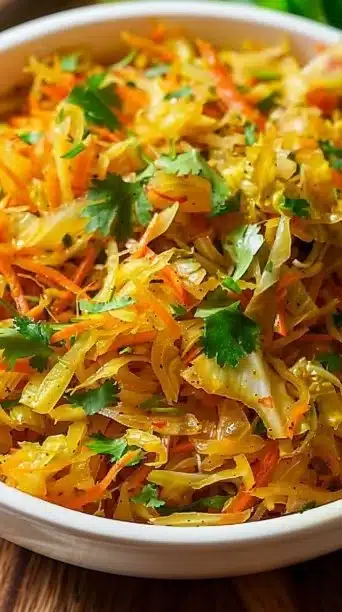
This easy, flavorful Indian cabbage stir-fry is a quick weeknight winner—crisp-tender cabbage and carrots spiced with ginger, cumin and curry leaves for a bright, homey dish. It’s light enough for a simple lunch and lively enough to stand alongside dal and rice for a comforting supper. For a complete reference while you cook, you can also check the detailed Indian cabbage recipe that inspired this version.
Why make this recipe
If you’re tired of the same steamed greens and want something with personality, this recipe is perfect because it transforms humble cabbage into a fragrant, textured side that’s ready in under 20 minutes. The ginger, curry leaves and grated coconut give it a South-Indian feel without requiring complicated steps, and it’s naturally vegan and gluten-free—great for feeding varied households.
Ingredients
- 3 tablespoons peanut oil or sesame oil
- 1 inch ginger, grated
- 1 tablespoon chopped green chilies
- 1 teaspoon cumin seeds
- ½ teaspoon turmeric
- ½ teaspoon red pepper flakes or ¼ teaspoon cayenne pepper
- Salt to taste
- 4 cups shredded cabbage
- 1 cup shredded carrots
- 8–10 curry leaves
- ¼ cup fresh grated coconut
- 2 tablespoons chopped cilantro
- Lemon juice to taste
Optional Ingredients:
- ½ teaspoon mustard seeds
- ¼ cup chopped shallots or onions
- 4 tablespoons crushed peanuts or sesame seeds, roasted
Step-by-Step Guide to Making Indian Cabbage Recipe
- Prepare your ingredients first: shred the cabbage and carrots, grate the ginger and coconut, chop the green chilies and cilantro, and keep the curry leaves handy. Having everything prepped makes the quick cooking process seamless.
- Heat 3 tablespoons of peanut oil or sesame oil in a wide pan over medium heat. A wider pan gives more surface area for the cabbage to sauté evenly.
- Add the grated ginger, chopped green chilies, and 1 teaspoon of cumin seeds to the hot oil. Sauté briefly—about 30–45 seconds—until fragrant. If using shallots or onions, add them now and cook until translucent.
- Stir in ½ teaspoon turmeric, ½ teaspoon red pepper flakes (or ¼ teaspoon cayenne if you prefer more direct heat), and salt to taste. Let the spices bloom for a few seconds to deepen their flavors.
- Add the shredded cabbage, shredded carrots, and the 8–10 curry leaves to the pan. Toss everything together and cook, stirring occasionally, until the cabbage is tender but still has a bit of bite—about 6–8 minutes. If you like it softer, cook a couple minutes longer.
- Mix in the ¼ cup fresh grated coconut and 2 tablespoons chopped cilantro; stir well to combine and let the coconut warm through for a minute. If you’re using roasted crushed peanuts or sesame seeds, sprinkle them in now for crunch.
- Finish with lemon juice to taste—about 1–2 teaspoons—just before serving to brighten the whole dish. Adjust salt and heat as needed.
Notes on technique and timing:
- Sauté on medium heat to avoid browning the cabbage too quickly; you want gentle cooking that preserves some texture.
- Add a tablespoon of water if the pan is getting too dry; this helps steam the cabbage lightly without needing more oil.
- For a nutty South-Indian touch, temper with ½ teaspoon mustard seeds in oil at the beginning before adding cumin seeds.
Best Way to Store Indian Cabbage Recipe
- Refrigeration: Store leftovers in an airtight container in the refrigerator for up to 3 days at 4°C (39°F).
- Freezing: Freezing is not recommended for best texture; frozen cabbage tends to become mushy. If you must freeze, cool completely and freeze in a shallow airtight container for up to 1 month at −18°C (0°F), then reheat gently.
- Reheating: Reheat on the stovetop over low–medium heat with a splash of water or oil to restore moisture; microwave reheating is acceptable for single servings but may soften the vegetables further.
Serving Suggestions for Indian Cabbage Recipe
- Serve warm as a side with plain steamed rice and dal for a classic, balanced Indian meal.
- Use as a filling for wraps or dosas—add a dollop of plain yogurt or chutney for contrast.
- Top with roasted peanuts or a sprinkle of extra grated coconut and cilantro for texture and brightness.
Why this combination works
Cabbage is mild and readily absorbs aromatics; the ginger and green chilies give sharpness, cumin and curry leaves provide an earthy, floral backbone, and grated coconut brings a sweet, creamy counterpoint. The lemon juice at the end cuts through the richness and ties the flavors together.
Tips to Make Indian Cabbage Recipe
- Keep a large pan or skillet handy: more surface area helps the vegetables cook evenly and prevents steaming.
- Don’t over-shred the cabbage: aim for bite-sized shreds so you get a pleasant mouthfeel rather than stringy pieces.
- Taste and adjust: because cabbage, carrots and chilies vary in sweetness and heat, adjust salt, chili, and lemon juice near the end.
- Fresh curry leaves elevate the dish; if you can’t find them, a pinch of curry powder isn’t a perfect substitute but will still offer an aromatic lift.
Variations
- Vegetable-rich version (paragraph): Add thinly sliced bell pepper, green beans, or peas during the cabbage step to make a heartier vegetable medley. Cook slightly longer to ensure the additional vegetables are tender.
- South-Indian style with mustard seed tempering (bullet):
- Heat oil, add ½ teaspoon mustard seeds and let them crackle before adding cumin.
- Add ¼ cup chopped onions/shallots and follow the recipe—this gives a slightly sharper, traditional flavor profile.
Common mistakes and how to avoid them
- Overcooking: Cabbage can become mushy if cooked too long; aim for tender-crisp.
- Skipping the final acid: Lemon juice brightens the flavors—don’t skip it.
- Crowding the pan: If you try to cook too much cabbage in a small pan, it will steam rather than sauté. Use a larger skillet or cook in batches.
FAQ
Q: How spicy is this dish?
A: It’s moderately spicy based on the green chilies and red pepper flakes; reduce or omit chilies for a milder version.
Q: Can I use another oil?
A: Yes. Peanut and sesame oils are recommended for their flavor; use vegetable or sunflower oil if you prefer a neutral taste.
What if I want it nut-free?
Use sesame seeds sparingly or skip the optional roasted crushed peanuts entirely; the dish remains delicious without them.
Q: How do I keep the cabbage from becoming soggy?
A: Avoid high heat and overcrowding; cook in a single layer in a wide pan and remove small batches once they’re done.
Q: Can I prepare this ahead of time?
A: You can chop and store ingredients ahead, but cook the cabbage shortly before serving for the best texture and flavor.
Extra ideas for using leftovers
- Fold into noodles or fried rice for a quick lunch.
- Use as a filling for savory crepes or sandwiches.
- Toss into grain bowls for added crunch and flavor.
Health and nutrition notes
This recipe is low in calories, high in fiber and packed with vitamins C and K from cabbage and carrots. Using minimal oil and fresh aromatics keeps it light while offering a satisfying savory profile. The use of fresh ginger and curry leaves brings antioxidant and digestive benefits common in South Asian cooking.
Pairings
- Beverages: A cooling buttermilk (chaas) or masala tea both work well.
- Mains: Pair with dal, rasam, or a coconut-based curry to keep flavors complementary.
- Breads: Serve alongside chapati or paratha for a comforting, home-style meal.
Quick troubleshooting
- If the cabbage tastes too bitter, a squeeze of lemon or a pinch of sugar can balance it.
- If it’s bland, boost salt, add more cumin, or finish with an extra squeeze of lemon.
- If the texture becomes limp on reheating, briefly refresh in a hot pan with a teaspoon of oil.
A note on ingredient swaps
- Coconut: If fresh coconut isn’t available, use 2 tablespoons of desiccated coconut soaked briefly in warm water, then squeezed, to revive some moisture.
- Curry leaves: Dried curry leaves are not as aromatic; if unavailable, add a small pinch of asafoetida (hing) during tempering for a different but pleasant aroma.
Final touches before serving
Garnish with the chopped cilantro and a little extra grated coconut for color and texture contrast. Serve immediately while the dish is warm and fragrant—this is when the flavors shine brightest.
Conclusion
If you want an alternative way to enjoy cabbage that’s quick, flavorful and versatile, this Indian cabbage recipe is a great choice—pair it with simple lentils or rice for a satisfying meal. For another roast-style take on spiced cabbage, see this inspiring Indian Spiced Roasted Cabbage (Sheet Pan Kobichi Bhaji) that uses a sheet-pan technique for deeper caramelization. If you’d like a closely related stir-fried preparation with different seasoning proportions, the Cabbage Stir Fry | Patta Gobhi Ki Sabzi – Ministry of Curry has another take worth trying.
Print
Indian Cabbage Recipe
- Total Time: 20 minutes
- Yield: 4 servings 1x
- Diet: Vegan, Gluten-Free
Description
A quick and flavorful Indian cabbage stir-fry spiced with ginger, cumin, and curry leaves, perfect for any meal.
Ingredients
- 3 tablespoons peanut oil or sesame oil
- 1 inch ginger, grated
- 1 tablespoon chopped green chilies
- 1 teaspoon cumin seeds
- ½ teaspoon turmeric
- ½ teaspoon red pepper flakes or ¼ teaspoon cayenne pepper
- Salt to taste
- 4 cups shredded cabbage
- 1 cup shredded carrots
- 8–10 curry leaves
- ¼ cup fresh grated coconut
- 2 tablespoons chopped cilantro
- Lemon juice to taste
- Optional: ½ teaspoon mustard seeds
- Optional: ¼ cup chopped shallots or onions
- Optional: 4 tablespoons crushed peanuts or sesame seeds, roasted
Instructions
- Prepare your ingredients: shred the cabbage and carrots, grate the ginger and coconut, chop the green chilies and cilantro, and keep the curry leaves handy.
- Heat oil in a wide pan over medium heat.
- Add ginger, green chilies, and cumin seeds; sauté for 30–45 seconds until fragrant.
- If using shallots or onions, add them and cook until translucent.
- Stir in turmeric, red pepper flakes, and salt; let spices bloom for a few seconds.
- Add cabbage, carrots, and curry leaves; toss and cook until tender, 6–8 minutes.
- Mix in grated coconut and cilantro; stir to combine and warm through for 1 minute.
- Finish with lemon juice to taste before serving.
Notes
Sauté on medium heat to avoid browning the cabbage; add water if it gets too dry. For a nutty touch, temper with mustard seeds first.
- Prep Time: 10 minutes
- Cook Time: 10 minutes
- Category: Side Dish
- Method: Stir-frying
- Cuisine: Indian
Nutrition
- Serving Size: 1 serving
- Calories: 200
- Sugar: 5g
- Sodium: 300mg
- Fat: 10g
- Saturated Fat: 1g
- Unsaturated Fat: 9g
- Trans Fat: 0g
- Carbohydrates: 25g
- Fiber: 5g
- Protein: 3g
- Cholesterol: 0mg
Keywords: Indian cabbage, quick stir-fry, vegan recipe, healthy side dish, gluten-free