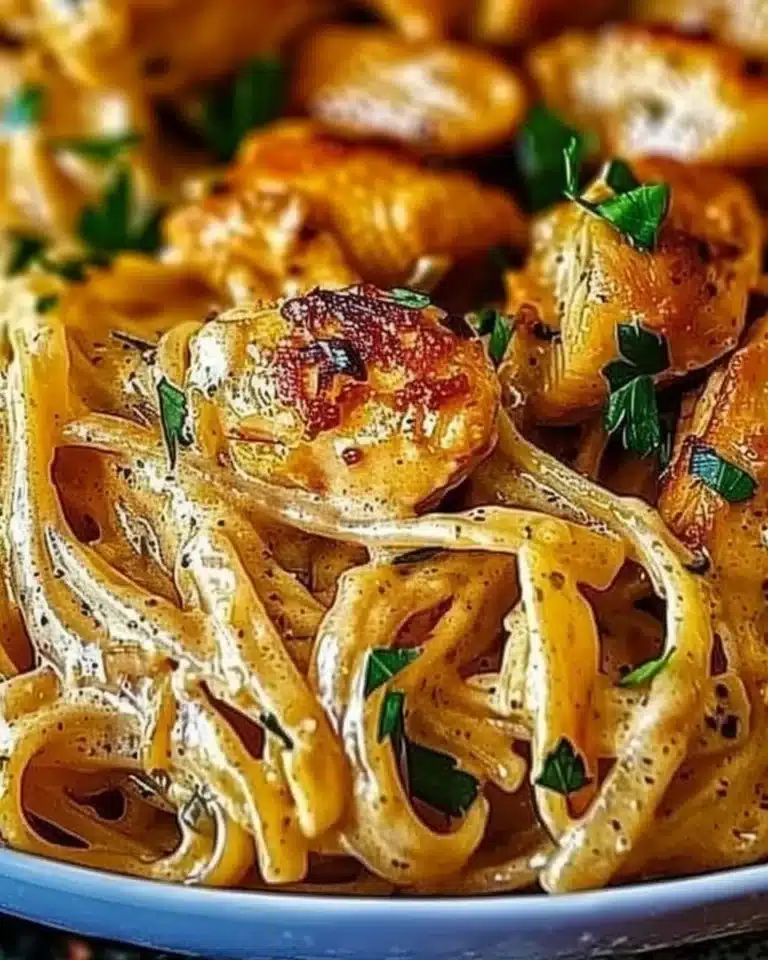
Lobster Bucatini Pasta
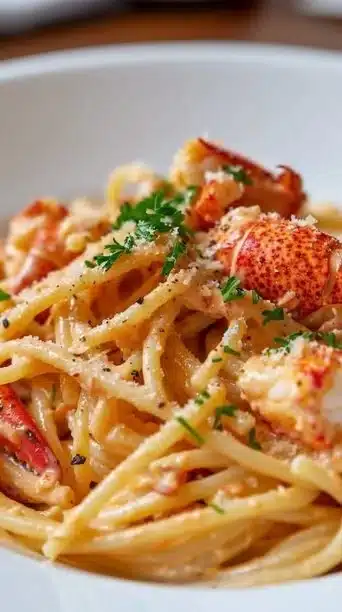
Lobster Bucatini Pasta offers a luxurious weeknight upgrade: thick, strappy bucatini catches a bright lemon-and-wine butter sauce that lets sweet lobster shine. This version is simple enough for a relaxed dinner but impressive enough for guests. It’s all about timing and a little technique to get restaurant-quality flavor at home.
Why make this recipe
What makes Lobster Bucatini Pasta special is the way the bucatini’s hollow center soaks up the silky lemon-and-wine butter sauce, delivering bursts of flavor with every twirl, while chunks of tender lobster bring a seafood richness that feels celebratory without being fussy.
Step-by-Step Guide to Making Lobster Bucatini Pasta
Ingredients:
- 8 ounces bucatini pasta
- 2 lobster tails, cooked and chopped
- 3 tablespoons butter
- 4 cloves garlic, minced
- 1 cup dry white wine
- 1 lemon (juice and zest)
- Salt and pepper to taste
- Fresh herbs (such as parsley or basil), for garnish
- Red pepper flakes, for garnish
Directions:
- Cook bucatini pasta according to package instructions; drain and set aside.
- In a large skillet, melt the butter over medium heat.
- Add the minced garlic and sauté for about 1 minute until fragrant.
- Pour in the white wine and bring to a simmer; let reduce for a few minutes.
- Stir in the lemon juice and zest, and season with salt and pepper.
- Add the cooked bucatini and lobster meat to the skillet, tossing to coat in the sauce.
- Serve topped with fresh herbs and a sprinkle of red pepper flakes.
A detailed walkthrough and practical tips
- Prepping the lobster: If your lobster tails are raw, poach or steam them first until just cooked (opaque and firm, about 5–8 minutes depending on size), then cool briefly before chopping. If you’re using pre-cooked tails, gently warm them in the sauce to avoid overcooking.
- Cooking the bucatini: Salt your boiling pasta water generously — it should taste like the sea. Bucatini is thicker than spaghetti, so keep an eye on doneness; cook to al dente so it holds up when tossed in the sauce. Reserve about ½ cup of pasta cooking water before draining; starchy water can help emulsify and loosen the sauce if needed.
- Building the sauce: Use medium heat to prevent burning the garlic. Once the garlic is fragrant, adding the wine deglazes the pan and adds acidity; reduce it until slightly syrupy so the alcohol cooks off and flavors concentrate. Finish with lemon for brightness and butter to create a glossy, silky finish that clings to the bucatini.
- Combining pasta and sauce: Add the drained bucatini to the skillet and toss with the sauce, adding reserved pasta water a tablespoon at a time if the sauce seems too tight. Fold in the lobster gently so it warms through without shredding. Finish with fresh herbs and a touch of red pepper flakes to contrast the richness.
Note on pairing and ingredient choices
- Wine: Choose a dry white wine you’d also drink — a Sauvignon Blanc, Pinot Grigio, or unoaked Chardonnay works well. The wine should be modest and bright to complement lemon and lobster without overpowering them.
- Butter vs. olive oil: Butter gives the sauce a rich, silky mouthfeel that pairs beautifully with lobster. If you prefer a lighter sauce, you can use extra-virgin olive oil or a 50/50 mix of oil and butter.
- Herbs and aromatics: Fresh parsley is classic for seafood pasta, but basil or chives will add different layers of freshness. Zest the lemon finely for an aromatic lift.
Why timing matters
The secret to this dish is coordination. Have your lobster prepped and the pasta pot boiling so the sauce can be ready the instant bucatini finishes. Toss quickly and serve immediately to preserve the lobster’s tender texture and the sauce’s glossy coating.
How much seafood per serving
For an 8-ounce pasta serving, two medium lobster tails (or about 8–10 ounces of meat total) give a generous lobster-to-pasta ratio. If you want more luxury, add additional lobster or fold in a small handful of sautéed shrimp or scallops.
Best Way to Store Lobster Bucatini Pasta
- Refrigerate in an airtight container within 2 hours of cooking.
- Store at 40°F (4°C) or below.
- Consume within 2 days for best quality; lobster and cooked pasta degrade quickly.
- To freeze (not generally recommended): Place in a freezer-safe container and freeze at 0°F (-18°C) for up to 1 month; thaw slowly in the fridge and expect some texture loss.
Reheating and safety notes
- Reheating on the stove is preferred: warm gently in a skillet over low heat with a splash of water or wine to loosen the sauce and prevent sticking. Add a knob of butter at the end to revive richness.
- Avoid microwave reheating for lobster if possible — it tends to overcook and toughen seafood. If using the microwave, use short bursts at medium power and stir between intervals.
Serving Suggestions for Lobster Bucatini Pasta
- Classic serving: Plate a portion of bucatini twirled into a shallow bowl, nest the lobster pieces atop, spoon extra sauce around, and finish with chopped parsley and a lemon wedge.
- Sides: A crisp green salad with a lemony vinaigrette or simple arugula dressed with olive oil and lemon complements the rich butter sauce. Steamed asparagus or sautéed broccolini are also excellent.
- Bread: Serve with crusty bread or grilled sourdough to mop up the sauce. Garlic bread is fine, but keep it light so it doesn’t overpower the lobster.
- Wine pairing: A chilled Sauvignon Blanc or unoaked Chardonnay matches the citrus and butter notes; for a bolder pairing, a dry rosé or Prosecco adds brightness.
Tips to make Lobster Bucatini Pasta
- Salt the pasta water generously — it’s your only chance to season the pasta itself.
- Don’t overcook the lobster: warm it through in the sauce for a minute rather than simmering.
- Use reserved pasta water to adjust sauce texture — it helps the sauce cling to the bucatini.
- Zest the lemon directly over the pan to capture aromatic oils.
- Taste and adjust seasoning at the end — acidity or salt may need a final tweak.
Variations and substitutions
- Spice it up (bullet): Add a pinch or two of red pepper flakes to the sauce while reducing the wine for a warm, spicy undertone. Finish with a creamy burrata on top for a silky contrast.
- Pantry-friendly substitution (paragraph): If lobster is out of reach, swap in large shrimp or chunks of cooked crab meat. Shrimp cooks quickly in the butter-garlic base and still delivers a satisfying seafood flavor. For a vegetarian twist, try sautéed king oyster mushrooms for a meaty texture with umami richness.
FAQs
Q: How do I keep the lobster from becoming rubbery?
A: The key is to avoid prolonged high heat. Cook lobster tails just until opaque and firm, then finish by gently warming chopped meat in the sauce. If using pre-cooked lobster, add it at the very end off the heat or on the lowest flame for a minute.
Q: Can I use another pasta shape?
A: Yes—bucatini’s hollow center makes it ideal for catching sauce, but thick spaghetti, linguine, or fettucine are good alternatives. Short tubular pastas like rigatoni also work if you want chunkier bites with sauce inside the ridges.
Q: What if I don’t want to use wine?
A: Substitute an equal amount of low-sodium chicken or seafood stock, and add an extra tablespoon of lemon juice to keep acidity and brightness in the sauce.
Q: Can this be scaled up for a dinner party?
A: Absolutely. Multiply ingredients proportionally, but cook lobster in batches if necessary to avoid crowding. Keep sauce slightly looser when combining larger volumes—use more reserved pasta water to finish.
Q: Is there a make-ahead option?
A: You can prepare the sauce base (butter, garlic, reduced wine) a day ahead and refrigerate. Reheat gently, add lemon and butter, then toss with freshly cooked pasta and lobster just before serving.
Presentation tips and finishing touches
- Garnish: Finish with finely chopped parsley or torn basil leaves and a light dusting of lemon zest. A single grating of good Parmigiano-Reggiano can be nice but use sparingly so the lobster flavor remains front and center.
- Heat contrast: Serve with a chilled white wine or crisp rosé to balance the warm, buttery dish.
- Textural contrast: Top with a scattering of toasted breadcrumbs or pine nuts for crunch if you like contrast to the silky sauce.
Troubleshooting common problems
- Sauce too thin: Simmer a bit longer to concentrate, or finish with a small pat of cold butter whisked in off the heat to emulsify and thicken.
- Sauce too thick: Add reserved pasta water or a splash of white wine/stock and warm gently while tossing.
- Pasta sticking: Ensure pasta is drained but slightly wet when added to the skillet; tossing helps evenly coat and separate strands.
Final plating technique
- Twirl the bucatini around a long-handled fork or tongs into a neat mound in the center of the plate, then arrange lobster pieces on top for visual impact. Spoon a few tablespoons of sauce around and over the pasta, then scatter herbs and a light dusting of red pepper flakes. Serve immediately so sauce remains glossy and aromatic.
Nutrition and dietary notes
- Lobster is a lean source of protein with lower fat than many red meats. Butter and pasta add richness and calories; adjust portions or use partial olive oil if you want a lighter dish.
- For gluten-free needs, substitute your favorite gluten-free bucatini or spaghetti alternative and watch cooking times.
A note on sourcing lobster
Freshness matters. If you can, buy lobster tails from a reputable fishmonger or market. Frozen tails are a great, often more affordable option and are usually frozen shortly after catch, preserving flavor. Thaw them gently in the refrigerator overnight before using.
Internal inspiration and related recipes
If you enjoy quick, creamy pasta dinners, try an equally speedy but herb-packed option like this 20-minute creamy tomato basil pesto pasta, which shares the idea of a bright, fast sauce coming together in the pan and tossed with long pasta.
Conclusion
This Lobster Bucatini Pasta strikes a lovely balance between simplicity and elegance—an ideal dish when you want something special without an all-night effort. For another lobster-focused take and step-by-step photos, see this Lobster Bucatini Recipe – Fulton Fish Market, and for a spicier, burrata-topped variation that’s great for entertaining, check out Spicy Lobster Bucatini with Burrata – A Cozy Kitchen.
Print
Lobster Bucatini Pasta
- Total Time: 35 minutes
- Yield: 4 servings 1x
- Diet: Seafood
Description
Lobster Bucatini Pasta is a luxurious dish featuring thick bucatini pasta soaked in a bright lemon-and-wine butter sauce, topped with tender chunks of sweet lobster.
Ingredients
- 8 ounces bucatini pasta
- 2 lobster tails, cooked and chopped
- 3 tablespoons butter
- 4 cloves garlic, minced
- 1 cup dry white wine
- 1 lemon (juice and zest)
- Salt and pepper to taste
- Fresh herbs (such as parsley or basil), for garnish
- Red pepper flakes, for garnish
Instructions
- Cook bucatini pasta according to package instructions; drain and set aside.
- In a large skillet, melt the butter over medium heat.
- Add the minced garlic and sauté for about 1 minute until fragrant.
- Pour in the white wine and bring to a simmer; let reduce for a few minutes.
- Stir in the lemon juice and zest, and season with salt and pepper.
- Add the cooked bucatini and lobster meat to the skillet, tossing to coat in the sauce.
- Serve topped with fresh herbs and a sprinkle of red pepper flakes.
Notes
For best results, prepare the lobster in advance and ensure the pasta is cooked al dente. Adjust the sauce consistency with reserved pasta water as needed.
- Prep Time: 15 minutes
- Cook Time: 20 minutes
- Category: Main Course
- Method: Baking
- Cuisine: Italian
Nutrition
- Serving Size: 1 serving
- Calories: 350
- Sugar: 5g
- Sodium: 400mg
- Fat: 12g
- Saturated Fat: 4g
- Unsaturated Fat: 6g
- Trans Fat: 0g
- Carbohydrates: 45g
- Fiber: 3g
- Protein: 15g
- Cholesterol: 30mg
Keywords: lobster, pasta, bucatini, seafood dishes, Italian cuisine, weeknight dinner