Tasty Old Fashioned Coconut Cake
Tasty Old Fashioned Coconut Cake
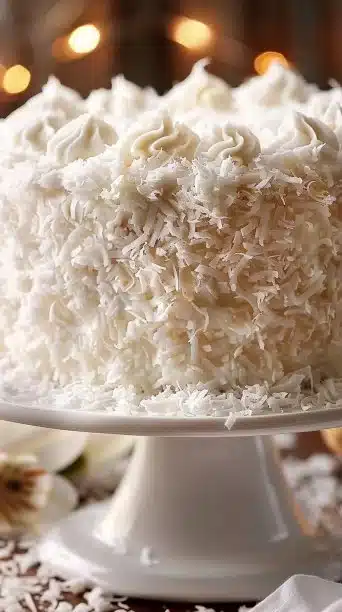
A nostalgic, tender coconut cake that tastes like sunshine and family gatherings — moist crumb, a gentle coconut flavor throughout, and plenty of shredded coconut for texture. This cake is straightforward to make yet feels special enough for birthdays, potlucks, or a lazy weekend dessert. If you love old-fashioned desserts with simple, honest ingredients, this one will take you right back to grandma’s kitchen and make new memories today. For a savory contrast at brunch, try pairing a slice with something like golden potato pancakes.
why make this recipe
What makes this coconut cake stand out is its combination of simplicity and true coconut character. The recipe relies on pantry-staple ingredients — flour, sugar, butter, eggs, and buttermilk — but the shredded coconut folded into the batter gives each bite a pleasant chew and unmistakable flavor. It’s forgiving for home bakers: no complicated syrups, no layered frostings required (unless you want to add one), and it comes together quickly for a reliable, crowd-pleasing dessert.
Step-by-Step Guide to Making Tasty Old Fashioned Coconut Cake
Ingredients
- 2 1/2 cups all-purpose flour
- 2 cups white sugar
- 1 cup buttermilk
- 1/2 cup unsalted butter, softened
- 3 large eggs
- 1 teaspoon vanilla extract
- 1 teaspoon baking powder
- 1 teaspoon baking soda
- 1/4 teaspoon salt
- 2 cups shredded coconut
How to approach this cake: think gentle mixing and balanced moisture. The buttermilk and eggs add tenderness, while the butter and sugar create a classic creamed base that traps air for lift. The shredded coconut is folded in last so it remains distributed without overworking the gluten in the flour.
Directions (baker-friendly expansion)
- Preheat oven and prepare pans: Preheat your oven to 350°F (175°C). Grease a baking dish or prepare two 8–9 inch cake pans (or one 9×13 baking dish) with butter or nonstick spray and lightly flour them or line with parchment if desired. Properly greased pans help the cake release cleanly after baking.
- Sift dry ingredients: In a medium bowl, sift together 2 1/2 cups all-purpose flour, 1 teaspoon baking powder, 1 teaspoon baking soda, and 1/4 teaspoon salt. Sifting removes lumps and ensures even distribution of the leavening agents.
- Cream butter and sugar: In a large mixing bowl, beat 1/2 cup softened unsalted butter with 2 cups white sugar until the mixture is light, pale, and fluffy — about 3–5 minutes with an electric mixer on medium speed. This creaming stage is key for a tender cake and good rise.
- Add eggs and vanilla: Add 3 large eggs one at a time, beating well after each addition so the batter is smooth. Stir in 1 teaspoon vanilla extract. Adding eggs one at a time helps maintain an emulsion and a stable batter.
- Combine wet and dry with buttermilk: Alternately add the sifted dry ingredients and 1 cup buttermilk to the butter-sugar-egg mixture, starting and ending with the dry ingredients. Mix on low speed just until combined after each addition to avoid overmixing. This creates a tender crumb while ensuring the batter is homogeneous.
- Fold in the coconut: Gently fold in 2 cups shredded coconut with a spatula until evenly distributed. Folding preserves the aeration from creaming and keeps the texture light.
- Transfer to pan and bake: Pour the batter into the prepared baking dish or cake pans and smooth the top with an offset spatula. Bake in the preheated oven for 30–35 minutes, or until a toothpick inserted in the center comes out clean or with a few moist crumbs. Baking times vary by pan: shallower pans will bake faster, deeper pans may need extra time.
- Cool: Remove from the oven and cool the cake in the pan for 10 minutes to settle, then invert or transfer to a cooling rack to cool completely. Cooling slightly in the pan helps the cake set so it doesn’t fall apart when removed.
- Finish as desired: Serve plain, dust lightly with powdered sugar, or top with a simple glaze, cream cheese frosting, or toasted coconut for added crunch.
Given Directions (original)
- Preheat oven to 350°F (175°C).
- Grease baking dish or cake pans.
- Sift together flour, baking powder, baking soda, and salt.
- Cream butter and sugar until fluffy.
- Add eggs one at a time, then mix in vanilla.
- Combine wet and dry ingredients alternately with buttermilk.
- Fold in shredded coconut.
- Pour batter into prepared dish and smooth the top.
- Bake for 30-35 minutes until a toothpick comes out clean.
- Cool in pan for 10 minutes, then transfer to a cooling rack.
Keeping Tasty Old Fashioned Coconut Cake Fresh
- Room temperature: Store covered or in an airtight cake container for up to 2 days at 68–72°F (20–22°C). Keep away from direct sunlight.
- Refrigeration: If your kitchen is warm, or if you’ve added a dairy-based frosting (like cream cheese), refrigerate in an airtight container for up to 4 days at 34–40°F (1–4°C). Bring to room temperature before serving for best flavor and texture.
- Freezing: Wrap the cooled cake tightly in plastic wrap and then foil (or freeze in an airtight freezer container) for up to 3 months at 0°F (-18°C). Thaw in the refrigerator overnight, then bring to room temperature before unwrapping to avoid condensation on the surface.
Serving Ideas for Tasty Old Fashioned Coconut Cake
- Classic plates: Serve slices with a dollop of whipped cream and a sprinkling of toasted coconut for texture contrast. The creaminess of whipped cream pairs beautifully with the cake’s tender crumb.
- Fruit pairings: Fresh pineapple, mango, or a scoop of lime sorbet brightens the coconut flavor and adds a refreshing contrast.
- Beverage pairings: A cup of strong black coffee, a milky chai, or a tropical coconut-lime tea make lovely companions. For an adult pairing, a light, fruity white wine or a coconut rum cocktail complement the flavors.
tips to make Tasty Old Fashioned Coconut Cake
Q: How do I keep it moist?
A: Use room-temperature ingredients and don’t overbake — remove the cake when a toothpick comes out with a few moist crumbs; the residual heat will finish cooking. Folding in the coconut last protects the cake’s structure and helps retain moisture.
Q: Can I use sweetened or unsweetened coconut?
A: Sweetened shredded coconut will add sweetness and moisture; unsweetened provides a more natural coconut taste with less sugar. Adjust sugar only slightly if using sweetened coconut.
Q: How to avoid a dense cake?
A: Ensure your baking powder and soda are fresh, and cream the butter and sugar until light and fluffy to incorporate air.
variations
- Tropical coconut-pineapple: Fold 1 cup of crushed, well-drained pineapple (pat dry first) into the batter along with the coconut for a pineapple-coconut version. Omit any additional liquid.
- Coconut layer cake with cream cheese frosting: Bake in two 8-inch round pans and assemble with a tangy cream cheese frosting. This gives a richer, more celebratory dessert, ideal for special occasions.
FAQs
Q: Can I substitute milk for buttermilk?
A: Yes — make a buttermilk substitute by adding 1 tablespoon of white vinegar or lemon juice to 1 cup of milk; let sit for 5–10 minutes before using.
Q: How do I toast coconut?
A: Spread shredded coconut in a single layer on a baking sheet and toast in a 325°F (160°C) oven for 5–8 minutes, stirring once, until golden. Watch closely — it browns quickly. Toasted coconut adds crunch and a deeper flavor.
Q: Can I make this cake gluten-free?
A: Try a 1:1 gluten-free flour blend formulated for baking. For best results, include a binder like xanthan gum if your blend doesn’t already contain it. Baking times may vary.
Q: What if my cake cracks on top?
A: Slight cracking is normal. It can happen when the oven temperature is a bit high or the batter is slightly thick. Level the cake with a thin layer of frosting or serve as-is; cracks won’t affect flavor.
Q: Can I use sweetened condensed milk in place of some sugar or buttermilk?
A: Sweetened condensed milk will alter the texture and sweetness; it’s not a direct substitute for buttermilk. Use recipes specifically designed for condensed milk if that’s your goal.
Q: How can I make it extra coconutty?
A: Substitute part of the buttermilk with coconut milk (use full-fat canned coconut milk thinned slightly with water) and top with toasted coconut for maximum coconut flavor.
Why this cake is forgiving and ideal for home bakers
This old-fashioned coconut cake doesn’t require precise professional technique to taste wonderful. The ingredients are flexible — you can swap dairy, change coconut types, or adjust pans — and the method centers on basic baking skills (sifting, creaming, folding) that beginners can master quickly. Because the coconut provides texture, slight variations in crumb are less noticeable and still delightful to eat.
Presentation tips
- If serving plain, dust the cooled cake lightly with powdered sugar and add a small bowl of extra shredded coconut for guests to sprinkle.
- For a party, top with vanilla buttercream and press toasted coconut into the sides and top for an attractive, nostalgic look.
- Slice with a warm, clean knife: run the knife under hot water, wipe dry, and slice to get neat pieces.
A note about texture and coconut choice
The texture of the shredded coconut you choose will influence the cake: flaked or larger shreds give more chew and visible coconut pieces, while finely shredded coconut distributes more subtly through the crumb. If you prefer a smooth, delicate crumb, use finely shredded coconut; for a rustic, textural bite, use larger flakes.
Troubleshooting common issues
- Dense cake: Ensure baking powder/soda are fresh and don’t overmix after adding flour.
- Dry cake: Check oven temperature with an oven thermometer, and avoid overbaking. If using a dairy frosting, store refrigerated to retain moisture.
- Sticking to pan: Proper greasing and/or parchment helps. Letting the cake cool 10 minutes in the pan (as directed) prevents tearing.
Occasions and serving contexts
This coconut cake is versatile enough for everyday treats and special gatherings alike. Serve it at potlucks, family dinners, bridal showers, or holiday buffets. It also works as a simple weeknight dessert to brighten ordinary evenings. Because it keeps well, you can bake ahead and freeze slices for a grab-and-go treat later.
Final thoughts on technique and flavor balance
Simple cakes are often the most satisfying: pay attention to the small things — proper creaming, room-temperature ingredients, and careful mixing — and the rest falls into place. The shredded coconut is the star here, so choose one you enjoy eating straight from the bag. If you love toasted flavors, a light shower of toasted coconut just before serving elevates the cake without masking its old-fashioned charm.
Conclusion
This Tasty Old Fashioned Coconut Cake is a reliable, nostalgic crowd-pleaser that’s easy enough for casual bakers and special enough for celebrations. For additional recipe inspiration and a slightly different take on a classic coconut layer cake, see Leite’s Culinaria’s Old-Fashioned Coconut Cake, and for another well-tested home-baker version with tips and variations, check out Sugar Spun Run’s Coconut Cake.
Print
Tasty Old Fashioned Coconut Cake
- Total Time: 50 minutes
- Yield: 12 servings 1x
- Diet: Vegetarian
Description
A nostalgic coconut cake with a moist crumb and plenty of shredded coconut, perfect for birthdays and gatherings.
Ingredients
- 2 1/2 cups all-purpose flour
- 2 cups white sugar
- 1 cup buttermilk
- 1/2 cup unsalted butter, softened
- 3 large eggs
- 1 teaspoon vanilla extract
- 1 teaspoon baking powder
- 1 teaspoon baking soda
- 1/4 teaspoon salt
- 2 cups shredded coconut
Instructions
- Preheat your oven to 350°F (175°C). Grease a baking dish or prepare two 8–9 inch cake pans with butter or nonstick spray.
- In a medium bowl, sift together the flour, baking powder, baking soda, and salt.
- In a large mixing bowl, cream the butter and sugar until light and fluffy, about 3–5 minutes.
- Add eggs one at a time, then mix in vanilla until well combined.
- Alternately add the sifted dry ingredients and the buttermilk to the butter mixture, starting and ending with dry ingredients.
- Gently fold in the shredded coconut until evenly distributed.
- Pour the batter into the prepared pans and smooth the top.
- Bake for 30–35 minutes, or until a toothpick inserted in the center comes out clean.
- Cool in the pan for 10 minutes, then transfer to a cooling rack.
Notes
For extra flavor, top with a simple glaze, cream cheese frosting, or toasted coconut.
- Prep Time: 15 minutes
- Cook Time: 35 minutes
- Category: Dessert
- Method: Baking
- Cuisine: American
Nutrition
- Serving Size: 1 slice
- Calories: 350
- Sugar: 25g
- Sodium: 200mg
- Fat: 14g
- Saturated Fat: 8g
- Unsaturated Fat: 5g
- Trans Fat: 0g
- Carbohydrates: 47g
- Fiber: 2g
- Protein: 5g
- Cholesterol: 70mg
Keywords: coconut cake, dessert, old-fashioned