Custard Tarts
Custard Tarts
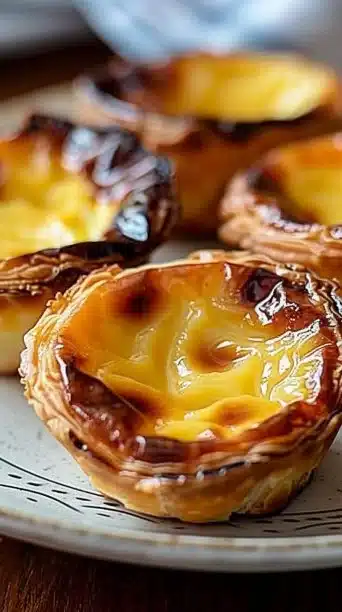
There’s something quietly comforting about a warm custard tart: a flaky shell giving way to a silky, lemon-kissed custard with a whisper of cinnamon on the finish. These easy-to-make Custard Tarts blend crisp puff pastry with a caramelized top for a simple dessert that feels both elegant and homey. If you’re looking for other relaxed meal ideas to pair with a baking day, check out this summer crockpot dinners roundup for no-fuss mains while your tarts bake.
Why make this recipe
- Fast, impressive dessert that looks bakery-made with minimal effort.
- Uses pantry-friendly ingredients and a single sheet of puff pastry.
- Versatile — serve warm with coffee or chilled for a light finish to a meal.
Step-by-Step Guide to Making Custard Tarts
These Custard Tarts are built on a simple technique: line muffin cups with puff pastry, make a velvety custard, combine carefully so the eggs don’t scramble, and finish at high heat to get those signature caramelized spots on top. Below is a stepwise approach that expands on the provided directions so you can feel confident at each stage.
- Prepare and preheat
- Preheat the oven to 475°F (245°C). A very hot oven is key to achieving a blistered, slightly charred top while keeping the custard creamy beneath.
- Shape the pastry shells
- Roll out one package of puff pastry on a lightly floured surface to smooth any creases. Using a round cutter slightly larger than your muffin tin cups, cut circles and gently press them into the cups so the pastry lines each cavity with a tidy rim. If the pastry shrinks a little while pressing, let it rest five minutes and reform; cold pastry is less likely to stretch thinly.
- Warm the milk mixture
- In a saucepan combine 1 cup heavy cream, 1 cup milk, 1 cup sugar, and 1 cinnamon stick. Add the zest of 1 lemon for brightness. Heat the mixture over low heat just until warm and the sugar has dissolved — don’t boil. Warming the liquid gradually helps it incorporate smoothly into the egg yolks.
- Whisk the egg mixture
- In a separate bowl whisk together 6 egg yolks, 2 tablespoons cornstarch, and 1 teaspoon vanilla extract until pale and slightly thickened. The cornstarch will help stabilize the custard and give it a silky, sliceable texture.
- Temper the eggs
- Slowly add the warm milk mixture to the egg yolk mixture, a little at a time, while whisking constantly. This tempering step prevents the yolks from cooking into curds. Once the mixtures are combined, you can return the full custard to the saucepan and heat gently for a minute to slightly thicken, stirring constantly. Do not allow it to come to a boil.
- Assemble the tarts
- Remove the cinnamon stick and give the custard one final stir. Carefully pour or ladle the custard into the pastry-lined muffin tin, filling each cup nearly to the top but leaving a small gap for the custard to expand.
- Bake to finish
- Bake in the preheated oven for about 15–20 minutes, or until the tops are caramelized and slightly charred. The custard should be set at the edges and slightly jiggly in the center — it will continue to set as it cools. If you prefer more pronounced charring on top, you can briefly broil (watch closely — it chars quickly).
- Cool and unmold
- Let the tarts cool in the tin before removing them. Cooling helps the custard firm up so you can lift them out without breaking the pastry. Serve warm or at room temperature.
Practical timing and troubleshooting notes:
- Chill your muffin tin for a few minutes if the room is warm; cooler pastry is easier to handle.
- If you end up with fissures in the custard, that usually means it was slightly overcooked in the oven — try shortening the bake time by a couple of minutes next time.
- For an extra glossy finish, a thin brush of warm apricot jam after cooling will give a gentle sheen and added sweetness.
Best Way to Store Custard Tarts
- Refrigerator: Store uncovered for 1–2 hours to cool, then place in an airtight container and refrigerate at 40°F (4°C) for up to 3 days.
- Freezer: For longer storage, freeze unfilled shells or fully cooled tarts (wrapped tightly) at 0°F (-18°C) for up to 1 month. Thaw in the refrigerator before serving.
- Room temperature (short term): If you plan to serve within a few hours, keep covered at room temperature (about 68–72°F / 20–22°C) for up to 4 hours to preserve pastry crispness.
Serving Suggestions for Custard Tarts
- Classic: Serve warm with a dusting of powdered sugar and a cup of strong coffee or tea.
- With fruit: Top with a few fresh berries (raspberries or blueberries) for color and a bright contrast to the rich custard.
- With cream: A spoonful of lightly whipped cream or crème fraîche adds a tangy counterpoint.
- As part of a dessert board: Offer alongside small bites of dark chocolate, almonds, and seasonal fruits for an elegant party platter.
Tips to make Custard Tarts
- Keep ingredients cold: Use chilled puff pastry straight from the fridge so it won’t become overly soft while you work.
- Use room-temperature yolks: For the custard, room-temperature egg yolks incorporate more smoothly and reduce the chance of curdling when tempered.
- Don’t rush the tempering: Add the warm milk very slowly to the yolks and whisk constantly — this single step determines the texture of the custard.
- Watch the bake closely: Because oven temperatures vary, start checking the tarts at 12 minutes if your oven runs hot.
Variations
Flavor swaps (bullet): Try swapping the lemon zest for orange zest and adding a pinch of nutmeg to the milk mixture for a slightly warmer, vanilla-citrus profile. For a richer, more indulgent filling, replace 1/2 cup of milk with an equal amount of extra heavy cream.
Custard vs. egg custard paragraph: If you like a denser, silky custard similar to Portuguese pastel de nata, reduce the cornstarch to 1 tablespoon and add an extra minute of gentle heating before baking; the result will be slightly creamier with deeper caramelization on top. For a lighter, more delicate set, keep the cornstarch and bake until just set.
FAQs
Q: How do I prevent the pastry from becoming soggy?
A: Bake the pastry shells briefly before filling (blind-bake for 5–7 minutes at 400°F/200°C) to set the layers, or ensure your custard is at a warm but not hot temperature when poured so it doesn’t make the base soggy.
Q: Can I use whole eggs instead of yolks?
A: Using whole eggs will yield a slightly less rich custard and can change the set. If substituting whole eggs, use 4 large eggs and omit 2 of the yolks; expect a firmer, less velvety texture.
Q: What is the secret to getting those caramelized brown spots on top?
A: High heat at the end of baking creates the caramelized spots; that’s why a very hot oven (475°F/245°C) is recommended. You can also finish briefly under a broiler, but watch carefully to avoid burning.
Q: How long will these tarts keep crisp?
A: The pastry stays crispest for the first few hours after baking. Refrigerated tarts will keep well and taste great for up to 3 days, but the crust will soften over time. Reheat briefly in a 350°F (175°C) oven to restore some crispness.
Q: Are there gluten-free options?
- Yes — use a gluten-free puff pastry or make a shortcrust shell with a gluten-free flour blend. Texture will vary, but the custard itself is naturally gluten-free.
Extra tips for success
- If you want a smoother custard, strain the tempered mixture through a fine sieve before filling the tart shells to catch any coagulated egg or zest bits.
- For uniform browning, rotate the muffin tin halfway through the bake.
- If your oven has hot spots, consider placing a baking stone or an extra sheet on the rack below to moderate direct heat.
A final note on technique
The difference between a good custard tart and a great one often comes down to patience and temperature control: warm, not hot, liquids when mixing with eggs; a high oven to caramelize without overcooking; and allowing the tarts to cool so they can be unmolded cleanly. These little discipline points reward you with a texture that’s silky and a pastry that is pleasantly crisp.
Occasions and pairing ideas
Custard tarts are wonderfully adaptable — serve them at a casual brunch, as part of an afternoon tea, or plated as individual desserts at a dinner party. Pair with:
- Coffee: A strong espresso complements the sweet, creamy filling.
- Tea: Earl Grey or black tea with citrus notes balances the lemon zest.
- Dessert wine: A late-harvest wine or Sauternes can make for an indulgent pairing if you want something sweeter.
Sourcing and substitutions
- Puff pastry: Store-bought puff pastry keeps the recipe accessible and fast. If you prefer homemade, a laminated dough will be even flakier but requires more time.
- Cornstarch: Acts as a stabilizer; use arrowroot powder 1:1 as a gluten-free alternative.
- Sugar: Granulated sugar works best for even dissolving; for a less sweet custard, reduce sugar by 1/4 cup.
Dietary adjustments
- To make the custard lactose-light, you can substitute unsweetened almond milk for the milk and use coconut cream in place of the heavy cream, though flavor and texture will change.
- For a lower-sugar version, reduce sugar by up to 25% and use a touch of honey or maple syrup for flavor balance; note these liquids alter the custard’s set slightly.
Safety notes
- Because this recipe uses mostly egg yolks heated gently, ensure the tempered custard is heated to at least 160°F (71°C) for food safety if serving to vulnerable people (pregnant, elderly, immunocompromised).
- Refrigerate leftover tarts promptly and do not leave them at room temperature for more than 2 hours.
Final thoughts on presentation
A simple dusting of powdered sugar, a scatter of micro herbs, or a single caramelized sugar disc perched on top can elevate these tarts visually for a party. Keep garnishes light so the custard remains the star.
Conclusion
Custard tarts are a reliable, crowd-pleasing dessert that pairs rustic charm with refined flavor; if you want to explore how classic Portuguese versions achieve their distinctive blistered tops and custardy center, this helpful recipe guide on Pastel de Nata (Pasteis de Nata) Portuguese Custard Tarts offers a deeper dive. For background on the dessert’s origins and cultural context, the Pastel de nata – Wikipedia entry provides reliable historical notes and variations.
Print
Custard Tarts
- Total Time: 35 minutes
- Yield: 12 servings 1x
- Diet: Vegetarian
Description
Warm custard tarts with a flaky puff pastry shell, filled with silky lemon-kissed custard and topped with a caramelized finish.
Ingredients
- 1 package puff pastry
- 1 cup heavy cream
- 1 cup milk
- 1 cup sugar
- 1 cinnamon stick
- Zest of 1 lemon
- 6 egg yolks
- 2 tablespoons cornstarch
- 1 teaspoon vanilla extract
Instructions
- Preheat the oven to 475°F (245°C).
- Roll out puff pastry and cut circles to line muffin cups.
- In a saucepan, combine heavy cream, milk, sugar, cinnamon stick, and lemon zest; heat until warm.
- In a bowl, whisk together egg yolks, cornstarch, and vanilla extract until pale.
- Temper the egg yolk mixture by slowly adding the warm milk mixture, whisking constantly.
- Return the custard to the saucepan and heat gently until slightly thickened.
- Remove the cinnamon stick, pour custard into pastry-lined cups.
- Bake for 15–20 minutes or until tops are caramelized.
- Cool in the tin before removing. Serve warm or at room temperature.
Notes
For a glossy finish, brush with warm apricot jam after cooling. Store in the refrigerator for up to 3 days or freeze up to 1 month.
- Prep Time: 15 minutes
- Cook Time: 20 minutes
- Category: Dessert
- Method: Baking
- Cuisine: French
Nutrition
- Serving Size: 1 tart
- Calories: 250
- Sugar: 15g
- Sodium: 100mg
- Fat: 15g
- Saturated Fat: 7g
- Unsaturated Fat: 5g
- Trans Fat: 0g
- Carbohydrates: 30g
- Fiber: 1g
- Protein: 4g
- Cholesterol: 125mg
Keywords: custard tarts, dessert, baking, sweet, lemon