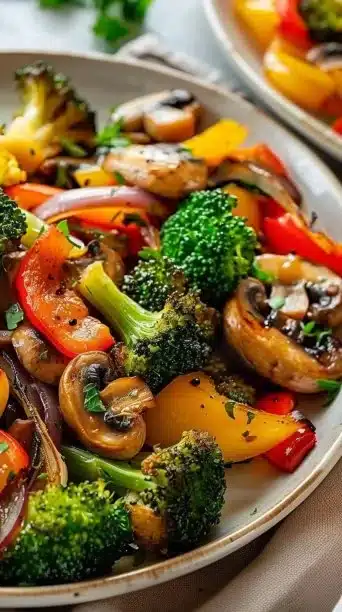
Healthy Sautéed Vegetables: Quick, Flavorful, Nutritious Side
Healthy Sautéed Vegetables: Quick, Flavorful, Nutritious Side
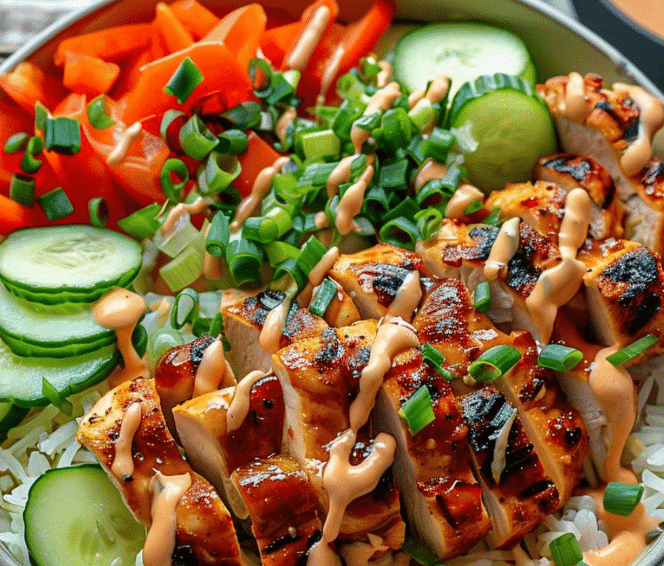
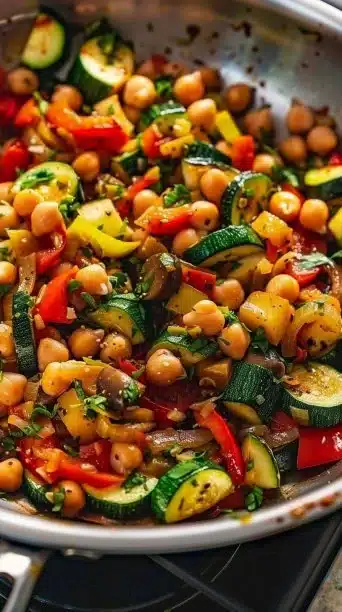
A colorful, fast skillet of sautéed vegetables that comes together in minutes — perfect for busy weeknights or as a bright accompaniment to any meal. This friendly, versatile side keeps vegetables crisp-tender and full of flavor with minimal fuss. If you’re collecting quick dinner pairings, you might also enjoy this easy taco rice bowl as another speedy, satisfying option.
Why make this recipe
- Fast: Ready in about 10 minutes from pan to plate, so it’s ideal for weeknights.
- Nutritious: A mix of colorful vegetables gives you fiber, vitamins, and antioxidants in every bite.
- Flexible: Swap in what’s in season or in your fridge; it adapts easily to dietary needs.
Ingredients
- 2 tbsp olive oil (or avocado oil/butter)
- 2 cloves garlic, minced
- 1 small onion, thinly sliced
- 1 bell pepper, sliced
- 1 zucchini, sliced into half-moons
- 1 cup broccoli florets
- 1 medium carrot, julienned or sliced thin
- ½ cup snap peas
- ½ cup mushrooms, sliced
- Salt, to taste
- Black pepper, to taste
- 1 tsp lemon juice (optional)
- 1 tsp balsamic vinegar or soy sauce (optional)
- Optional toppings: toasted nuts, seeds, fresh herbs, grated Parmesan
Step-by-Step Guide to Making Healthy Sautéed Vegetables
Prep all your vegetables first. Wash and dry each one, then slice the onion and garlic, cut the bell pepper into strips, slice the zucchini into half-moons, separate broccoli into small florets, julienne the carrot or slice thinly, trim the snap peas, and slice the mushrooms. Having everything ready speeds cooking and helps keep vegetables crisp-tender.
Heat the oil. Place a large skillet over medium heat and add 2 tablespoons of olive oil (or avocado oil or butter for a richer flavor). Allow the oil to warm until it shimmers but isn’t smoking.
Sauté the aromatics. Add the minced garlic and thinly sliced onion to the skillet. Cook for 1–2 minutes, stirring often, until fragrant and the onion is translucent. Be careful not to let the garlic brown too much, which can make it bitter.
Add the firmer vegetables first. Stir in the bell pepper, broccoli florets, and carrot. These vegetables need a little more time to reach tender-crisp. Cook and stir for 2–3 minutes to give them a head start.
Add the remaining vegetables. Add the zucchini half-moons, snap peas, and sliced mushrooms to the skillet. Continue to cook, stirring occasionally, for another 3–4 minutes until all vegetables are tender but still have a bit of bite. The goal is bright colors and a slight crunch, not mushy veg.
Season and finish. Season the vegetables with salt and freshly ground black pepper to taste. For a bright finish, add 1 teaspoon lemon juice; for a deeper umami note, stir in 1 teaspoon balsamic vinegar or soy sauce. Toss everything for another 30 seconds to combine the flavors.
Plate and garnish. Remove the skillet from heat and transfer the vegetables to a serving dish. Top with toasted nuts or seeds, a sprinkle of fresh herbs (like parsley, basil, or cilantro), or grated Parmesan if you like. Serve immediately while warm.
Best Way to Store Healthy Sautéed Vegetables
- Refrigerate in an airtight container at 4°C (40°F) or below: store for up to 3–4 days.
- Freeze in a freezer-safe container or heavy-duty freezer bag at −18°C (0°F): best used within 2–3 months for texture and flavor.
- Cool to near room temperature (no more than 2 hours out of the fridge) before sealing to avoid condensation and sogginess.
How to Present Healthy Sautéed Vegetables
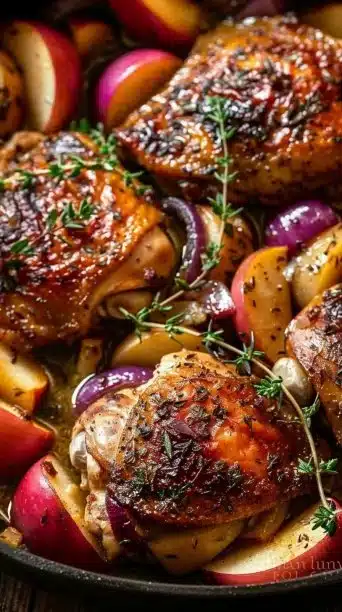
- As a side: Serve alongside grilled or roasted proteins such as chicken, fish, or tofu. The bright, crisp vegetables balance richer main dishes.
- Over grains: Spoon the vegetables over rice, quinoa, or a grain bowl for a simple vegetarian main. Add a drizzle of extra virgin olive oil or a spoonful of tahini for richness.
- In wraps or sandwiches: Let the sautéed mix cool slightly, then tuck into flatbreads, wraps, or between toasted bread slices with hummus or soft cheese.
- Toss into pasta: Stir the vegetables into warm pasta with a splash of reserved pasta water and grated Parmesan for a fast pasta primavera.
Tips to Make Healthy Sautéed Vegetables
- Use a hot pan and don’t overcrowd: Give vegetables room so they sear rather than steam; work in batches if needed.
- Keep sizes uniform: Slice vegetables to similar thickness so they cook evenly.
- Taste and adjust: Salt, acid (lemon or vinegar), and a touch of fat (butter or olive oil) balance the flavors — taste before serving and tweak.
- Add herbs at the end: Fresh herbs are delicate and taste freshest when added just before serving.
Variations and Substitutions
One easy variation is to make this dish more Asian-inspired. Use avocado or sesame oil for cooking, swap the balsamic for a splash of soy sauce and a little rice vinegar, and finish with a sprinkle of toasted sesame seeds and sliced green onions for aroma and crunch.
If you want a heartier, Mediterranean-style sauté, add chopped cherry tomatoes toward the end, a handful of Kalamata olives, and finish with crumbled feta or grated Parmesan. For a vegan option, skip the cheese and use toasted pine nuts or pumpkin seeds for richness.
Flavor and texture comparison:
- Lighter, citrus-forward: Lemon + olive oil + fresh parsley (bright and fresh).
- Richer, umami-forward: Butter + soy sauce + mushrooms (deep and savory).
Frequently Asked Questions
Q: How do I keep the vegetables crisp and not soggy?
A: Cook over medium-high heat and avoid overcrowding the pan. If the pan is too full, vegetables will steam instead of sauté. Cook in batches if you need to.
Q: Can I use frozen vegetables?
A: Yes, but thaw and drain them well first, then pat dry. Frozen vegetables release extra moisture; drying them prevents the dish from becoming mushy.
Q: What oil is best to use?
A: Olive oil or avocado oil are great all-purpose choices. Use butter for extra richness or sesame oil for an Asian flavor accent (but combine sesame with a neutral oil at the start to prevent burning).
What about longer FAQs?
Q: Can I meal-prep this for lunches?
A: Absolutely. Store in airtight containers in the fridge and reheat gently in a skillet or microwave. Add fresh herbs or a squeeze of lemon after reheating to revive flavors.Q: How can I add protein?
A: Stir in cooked chickpeas, tofu cubes, tempeh, or leftover chicken near the end to heat through. For a quick boost, add chopped nuts or a fried egg on top at serving.
Nutritional and practical notes
Sautéing is an efficient way to cook vegetables while preserving nutrients and flavor. Using moderate heat and minimal oil keeps calories in check while olive oil contributes heart-healthy monounsaturated fats. Bright acids like lemon or vinegar lift the overall taste without extra salt. Adding a sprinkle of seeds or nuts increases healthy fats and makes the side more satisfying.
Cooking techniques highlighted
- High-heat sear vs. gentle sauté: Start hot for color and texture, then reduce slightly if browning too quickly.
- Order of addition: Begin with denser vegetables (carrot, broccoli) and finish with quick-cooking items (zucchini, snap peas) to achieve consistent doneness.
- Finishing: A small splash of acid (lemon or vinegar) at the end brightens all ingredients and makes flavors pop.
Meal pairing ideas
- Weeknight protein: Pair with pan-seared salmon, roasted chicken thighs, or grilled halloumi.
- Vegetarian main: Serve on a bed of farro or quinoa with a dollop of yogurt or tahini.
- Make it a bowl: Add a base of rice or grains, a protein like black beans or tofu, and drizzle with a lemon-herb vinaigrette.
Make-ahead and reheating tips
- Refrigerated leftovers reheat best in a skillet over medium heat with a splash of water or oil. This helps restore texture; microwaving works but can soften vegetables more.
- If frozen, thaw in the fridge overnight and reheat in a skillet to crisp the edges again. Avoid overcooking during reheating.
Q&A style mini section
Q: Should I salt the vegetables while cooking or after?
A: Lightly salt as you cook to help draw out moisture and season evenly, then taste and adjust just before serving.
Q: Can I add spices?
A: Yes — a pinch of smoked paprika, cumin, or crushed red pepper can change the profile quickly. Add spices early with the aromatics so they bloom in the oil.
Q: Are there vegetables to avoid?
A: Most vegetables work; avoid overly watery ones if you want crispness (e.g., very large slices of cucumber). If using delicate greens like spinach, add them at the very end.
Final plating and presentation advice
Serve the vegetables in a shallow bowl or on a long platter to showcase the colors. Sprinkle toppings such as toasted almonds, sesame seeds, or a scattering of fresh herbs for visual contrast. If serving with a protein, spoon some vegetables atop the protein to combine textures.
Common mistakes and how to fix them
- Overcooking: If veggies turn soggy, next time reduce cooking time and use higher heat briefly for searing.
- Bland taste: Add a finishing acid (lemon or vinegar), a pinch of salt, or a cheese topping for immediate flavor lift.
- Burning garlic: Add garlic after the onions have softened a bit, or lower the heat to prevent it from burning.
Serving Suggestions for Healthy Sautéed Vegetables
- Family-style: Place the skillet in the center of the table so everyone can serve themselves; pair with crusty bread to sop up any pan juices.
- As a topping: Use as a colorful topping for baked potatoes, grain bowls, or even simple omelettes for brunch.
- On a salad: Cool the vegetables slightly and toss with baby greens for a warm salad that’s ideal for transitional seasons.
Closing tips to elevate the dish
- Toast nuts and seeds separately for extra crunch before adding as a sprinkle.
- Use a splash of good-quality extra virgin olive oil at the end for aroma and mouthfeel.
- For a smoky element, finish with a pinch of smoked salt or smoked paprika.
Conclusion
This sautéed vegetable recipe is a dependable, delicious side that’s flexible enough to fit almost any meal plan — from weeknight dinners to meal-prep lunches. For a slightly different quick sauté technique and timing ideas, check out this helpful Sauteed Vegetables Recipe (20 Minutes!) – Wholesome Yum that emphasizes speedy stovetop cooking. If you’re looking for another simple and budget-friendly take, Simple Sautéed Vegetables – Easy Side Dish – Budget Bytes offers practical substitution suggestions and budget-minded tips.
Print
Healthy Sautéed Vegetables
- Total Time: 20 minutes
- Yield: 4 servings 1x
- Diet: Vegetarian
Description
A colorful, fast skillet of sautéed vegetables that comes together in minutes — perfect for busy weeknights or as a bright accompaniment to any meal.
Ingredients
- 2 tbsp olive oil (or avocado oil/butter)
- 2 cloves garlic, minced
- 1 small onion, thinly sliced
- 1 bell pepper, sliced
- 1 zucchini, sliced into half-moons
- 1 cup broccoli florets
- 1 medium carrot, julienned or sliced thin
- ½ cup snap peas
- ½ cup mushrooms, sliced
- Salt, to taste
- Black pepper, to taste
- 1 tsp lemon juice (optional)
- 1 tsp balsamic vinegar or soy sauce (optional)
- Optional toppings: toasted nuts, seeds, fresh herbs, grated Parmesan
Instructions
- Prep all your vegetables first.
- Heat the oil in a large skillet over medium heat.
- Add the minced garlic and thinly sliced onion to the skillet, cooking until fragrant.
- Add the firmer vegetables: bell pepper, broccoli, and carrot. Cook and stir for 2–3 minutes.
- Add the zucchini, snap peas, and sliced mushrooms to the skillet. Continue cooking for another 3–4 minutes.
- Season the vegetables with salt and pepper, and finish with lemon juice or balsamic vinegar.
- Plate and garnish with optional toppings.
Notes
For best texture, avoid overcrowding the pan and work in batches if needed.
- Prep Time: 10 minutes
- Cook Time: 10 minutes
- Category: Side Dish
- Method: Sautéing
- Cuisine: Vegetarian
Nutrition
- Serving Size: 1 serving
- Calories: 150
- Sugar: 4g
- Sodium: 200mg
- Fat: 10g
- Saturated Fat: 1g
- Unsaturated Fat: 5g
- Trans Fat: 0g
- Carbohydrates: 15g
- Fiber: 4g
- Protein: 3g
- Cholesterol: 0mg
Keywords: sautéed vegetables, healthy side dish, quick recipe, vegetarian dish