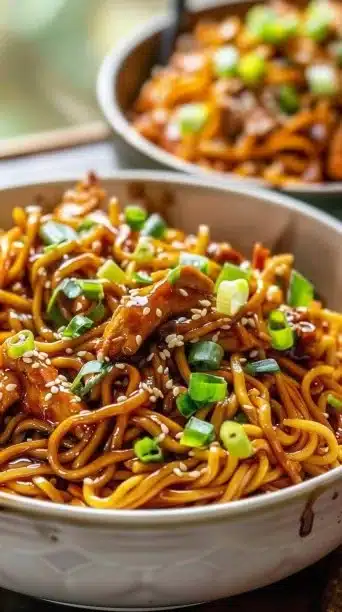
Healthy Sautéed Vegetables: Quick, Flavorful, Nutritious Side
Healthy Sautéed Vegetables: Quick, Flavorful, Nutritious Side
Bright, crisp, and ready in under 15 minutes, this Healthy Sautéed Vegetables dish is the easiest way to add color and nutrients to any meal. It’s forgiving, flexible, and a great vehicle for bold flavors — perfect whether you’re feeding picky kids or keeping dinner simple after a long day. For a quick reference and the original listing, check the Healthy Sautéed Vegetables recipe page.
why make this recipe
This particular sauté is more than a last-minute side: it’s a one-pan way to get a wide spectrum of vitamins with minimal fuss. The combination of quick-cooking veggies and a bright finishing splash (lemon or balsamic) keeps everything flavorful without heavy sauces or extra calories. It’s especially handy when you want something nutritious, fast, and adaptable to what’s in your fridge.
Ingredients
- 2 tbsp olive oil (or avocado oil/butter)
- 2 cloves garlic, minced
- 1 small onion, thinly sliced
- 1 bell pepper, sliced
- 1 zucchini, sliced into half-moons
- 1 cup broccoli florets
- 1 medium carrot, julienned or sliced thin
- ½ cup snap peas
- ½ cup mushrooms, sliced
- Salt, to taste
- Black pepper, to taste
- 1 tsp lemon juice (optional)
- 1 tsp balsamic vinegar or soy sauce (optional)
- Optional toppings: toasted nuts, seeds, fresh herbs, grated Parmesan
Step-by-Step Guide to Making Healthy Sautéed Vegetables
Overview and timing
- Total active time: 10–15 minutes
- Servings: 3–4 as a side
This is a high-heat, quick-cook recipe designed to keep vegetables tender-crisp. The goal is to develop a little caramelization on onions and peppers while preserving bright color and texture in courgette (zucchini) and snap peas.
- Prep first — mise en place matters
- Wash and dry all vegetables thoroughly; moisture on the surface will steam the veg instead of sautéing it.
- Slice the onion and bell pepper thin so they soften quickly; cut zucchini into half-moons for even cooking; trim broccoli into small, uniform florets; julienne or thinly slice the carrot so it cooks in the same time frame as the other veggies; keep mushrooms and snap peas roughly the same size as the zucchini slices.
- Mince the garlic and have any optional seasonings or toppings at hand. Once the pan is hot, everything cooks fast, so it’s best to have ingredients ready.
- Heat the pan and oil
- Use a large skillet or sauté pan set over medium heat. Add 2 tablespoons of olive oil (or substitute avocado oil or butter for a richer finish). Give the oil a minute to warm — you want it shimmering but not smoking.
- Start with aromatics
- Add the minced garlic and thinly sliced onion to the pan. Sauté these for about 1–2 minutes until fragrant and the onions start to turn translucent. Stir often to prevent the garlic from burning, which would add a bitter note.
- Add the sturdier vegetables
- Stir in the bell pepper, carrot, and broccoli. These take the longest to become tender. Cook for about 2–3 minutes, stirring occasionally so they brown slightly but don’t become mushy.
- Introduce medium-cook vegetables
- Add the zucchini, snap peas, and mushrooms. These cook quickly and will release moisture; mixing them in now lets everything finish around the same time. Continue to cook, tossing frequently, for another 3–4 minutes. You want them tender but still with bite.
- Season and finish
- Season with salt and freshly cracked black pepper to taste. Add 1 teaspoon of lemon juice for brightness, or 1 teaspoon of balsamic vinegar or soy sauce to give an umami lift; both are optional but recommended. Toss a final time to coat evenly and let the flavors marry for 30–60 seconds.
- Plate and garnish
- Serve immediately while warm. Top with toasted nuts or seeds for crunch, a sprinkle of fresh herbs (parsley, basil, or cilantro), or a scattering of grated Parmesan for richness.
Directions (concise)
- Heat oil in a large skillet over medium heat.
- Add garlic and onion; sauté until fragrant.
- Stir in bell pepper, zucchini, broccoli, carrot, snap peas, and mushrooms.
- Cook for 5–7 minutes until vegetables are tender but crisp.
- Season with salt, black pepper, lemon juice, and balsamic vinegar or soy sauce.
- Serve topped with nuts, seeds, herbs, or Parmesan if desired.
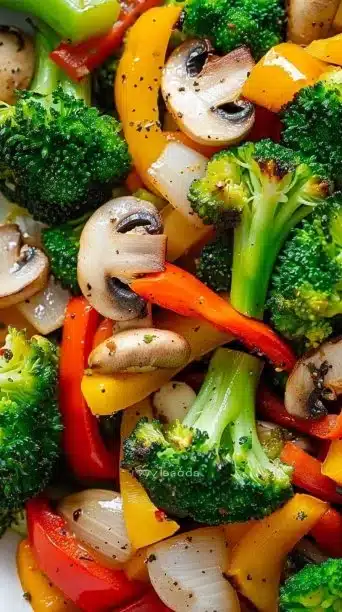
Why these steps work
- High heat encourages quick caramelization and prevents release of too much moisture.
- Layering vegetables by cooking time ensures each one cooks to the right texture.
- The final acid (lemon or vinegar) brightens flavors, cutting any heaviness from oil and bringing out vegetable sweetness.
Best Way to Store Healthy Sautéed Vegetables
- Refrigerator: Store in an airtight container for up to 3–4 days at 4°C (39°F) or below.
- Freezer: While texture will change, you can freeze for up to 2 months at -18°C (0°F) in a freezer-safe container — best used in soups, stews, or blended dishes after thawing.
- Reheating: Reheat gently in a skillet over medium-low heat until warmed through, or microwave in short bursts to avoid overcooking.
Serving Suggestions for Healthy Sautéed Vegetables
- As a side: Pair with grilled fish, roasted chicken, or a broiled steak for a simple weeknight meal.
- In bowls: Layer over a bed of warm quinoa, brown rice, or farro and top with a protein (tofu, beans, salmon flakes) for a full grain bowl.
- In wraps or tacos: Use the sautéed vegetables as a filling with a smear of hummus or spicy yogurt and fresh herbs.
- Toss into pasta: Mix gently into cooked pasta with a splash of reserved pasta water and a bit more olive oil or grated cheese for a quick primavera.
tips to make Healthy Sautéed Vegetables
Q: How do I keep the vegetables from getting soggy?
A: Don’t crowd the pan — use a large skillet so steam can escape. Dry vegetables thoroughly before cooking and use high-ish heat to get quick searing instead of steaming.
Q: What’s the best oil to use?
A: Olive oil gives a pleasant flavor; avocado oil tolerates slightly higher heat without smoking. Butter adds richness but can brown quickly — consider using oil with a pat of butter for flavor.
Q: How do I balance flavors?
A: If the sauté tastes flat, finish with an acid (lemon or a splash of vinegar) and a pinch of salt. To deepen flavor, add a teaspoon of soy sauce or a pinch of smoked paprika during cooking.
variation (if any)
- Swap proteins: For a heartier main, add thin strips of chicken breast or tofu cubes. Sear the protein first, remove from the pan, cook vegetables, then return the protein at the end to finish.
- Make it Mediterranean: Use olive oil, add sliced cherry tomatoes near the end, and finish with crumbled feta and chopped oregano.
- Make it Asian-inspired: Use sesame oil in place of part of the oil, add a dash of soy sauce and a teaspoon of rice vinegar at the end, and top with sliced scallions and sesame seeds.
Tips on ingredient swaps and seasonal tweaks
- Winter: Use root vegetables like parsnip or turnip (cut thin) and finish with thyme.
- Summer: Add sliced cherry tomatoes and fresh basil just before serving for a lighter, fresher profile.
- Low-sodium: Skip soy sauce and use more lemon or vinegar to boost taste without extra salt.
Practical troubleshooting
- If vegetables release too much water: Increase heat to evaporate moisture more quickly and remove any very watery pieces to keep the pan from steaming the rest.
- If garlic burns: Remove burnt bits and add fresh garlic later in the cooking process, or lower the heat and stir more frequently.
Nutritional highlights
- Low in calories, high in fiber, and loaded with vitamins A, C, and potassium from the mix of bell pepper, broccoli, and carrots. Olive oil adds heart-healthy fats, while optional nuts or seeds contribute protein and magnesium. This makes the sauté a nutritious complement to balanced meals.
Making this recipe serve different diets
- Vegetarian/vegan: Omit cheese or use plant-based Parmesan. Use oil instead of butter.
- Gluten-free: Naturally gluten-free if you skip soy sauce or use a gluten-free tamari.
- Keto-friendly: Reduce carrots and swap higher-carb veggies for more leafy greens and extra mushrooms; increase the fat by adding butter or more oil.
Frequently Asked Questions (FAQs)
Q: Can I prepare the vegetables ahead of time?
A: Yes — slice and store assembled vegetables in airtight containers in the refrigerator for up to 24 hours. Pat dry before cooking to minimize steaming.
Q: How can I keep the colors bright?
A: Cook over medium-high heat and avoid overcooking. Adding a small splash of lemon juice at the end helps preserve and enhance brightness.
Q: Can I use frozen vegetables?
A: You can, but frozen vegetables tend to release more water and may become softer. Cook frozen vegetables over higher heat and give them more time to evaporate liquid; they work best in mixed dishes or casseroles after sautéing.
What about oil quantity — should I reduce it?
- If you want less oil, reduce to 1 tablespoon and add a few tablespoons of vegetable or chicken broth during the cooking to prevent sticking while keeping the vegetables moist.
Is this recipe kid-friendly?
- Yes. Cut vegetables into familiar shapes (e.g., thin sticks or small rounds), use minimal seasoning, and serve with a dip like yogurt or hummus if needed.
Bonus: Quick menu pairings (bullet)
- Weeknight roast chicken + steamed new potatoes
- Teriyaki salmon + brown rice
- Pasta with garlic and olive oil + this sauté on the side
Extra tips for presentation
- Use a white platter to make the colors pop, scatter a few toasted pine nuts over the top, and add a lemon wedge on the side for an attractive, restaurant-style finish.
How to adapt for batch cooking and meal prep
- For meal prep: Cook vegetables just shy of desired doneness so they reheat without getting mushy. Portion into airtight containers and keep toppings separate. Reheat in a hot skillet with a splash of water or broth to revive texture. Add fresh herbs and crunchy toppings right before eating.
More on flavor pairings
- Herbs that work well: parsley, basil, cilantro, dill, or thyme depending on the cuisine direction.
- Spices: smoked paprika, cumin, or crushed red pepper can transform the profile from Mediterranean to smoky or Southwest-inspired.
Final plating suggestions
- For a family-style presentation, spoon the vegetables into a warm shallow bowl and top with grated Parmesan and a scattering of chopped almonds. For individual plates, place a generous scoop atop grains and finish with microgreens.
FAQs — Additional entries (varied format)
Q: Can I add a grain while sautéing?
A: Not directly — add cooked grains afterward. If you want the grains to pick up flavor, toss them briefly with the hot vegetables just before serving.Q: How much salt should I use?
A: Start with a light pinch while cooking and taste at the end; remember toppings like soy or Parmesan add salt too.Q: What’s the best pan?
A: A heavy-bottomed skillet or stainless steel sauté pan gives good contact and browning; nonstick is fine for sticky or delicate applications.
Conclusion
This Healthy Sautéed Vegetables recipe makes a quick, nourishing addition to any meal and adapts easily to what you have on hand. For another take on the technique and timing for a twenty-minute version, see Sauteed Vegetables Recipe (20 Minutes!) – Wholesome Yum, and for a budget-friendly approach with similar simplicity, check out Simple Sautéed Vegetables – Easy Side Dish – Budget Bytes.
Healthy Sautéed Vegetables
- Total Time: 15 minutes
- Yield: 4 servings 1x
- Diet: Vegan
Description
Quick, flavorful, and nutritious side, ready in under 15 minutes, perfect for adding color and nutrients to any meal.
Ingredients
- 2 tbsp olive oil (or avocado oil/butter)
- 2 cloves garlic, minced
- 1 small onion, thinly sliced
- 1 bell pepper, sliced
- 1 zucchini, sliced into half-moons
- 1 cup broccoli florets
- 1 medium carrot, julienned or sliced thin
- ½ cup snap peas
- ½ cup mushrooms, sliced
- Salt, to taste
- Black pepper, to taste
- 1 tsp lemon juice (optional)
- 1 tsp balsamic vinegar or soy sauce (optional)
- Optional toppings: toasted nuts, seeds, fresh herbs, grated Parmesan
Instructions
- Heat oil in a large skillet over medium heat.
- Add garlic and onion; sauté until fragrant.
- Stir in bell pepper, zucchini, broccoli, carrot, snap peas, and mushrooms.
- Cook for 5–7 minutes until vegetables are tender but crisp.
- Season with salt, black pepper, lemon juice, and balsamic vinegar or soy sauce.
- Serve topped with nuts, seeds, herbs, or Parmesan if desired.
Notes
This recipe is versatile; use whatever vegetables you have on hand. For a heartier option, add protein like chicken or tofu.
- Prep Time: 10 minutes
- Cook Time: 5 minutes
- Category: Side Dish
- Method: Sautéing
- Cuisine: Vegetarian
Nutrition
- Serving Size: 1 serving
- Calories: 150
- Sugar: 3g
- Sodium: 200mg
- Fat: 9g
- Saturated Fat: 1g
- Unsaturated Fat: 7g
- Trans Fat: 0g
- Carbohydrates: 18g
- Fiber: 4g
- Protein: 3g
- Cholesterol: 0mg
Keywords: sautéed vegetables, healthy side dish, quick recipe, vegan vegetables, colorful vegetables