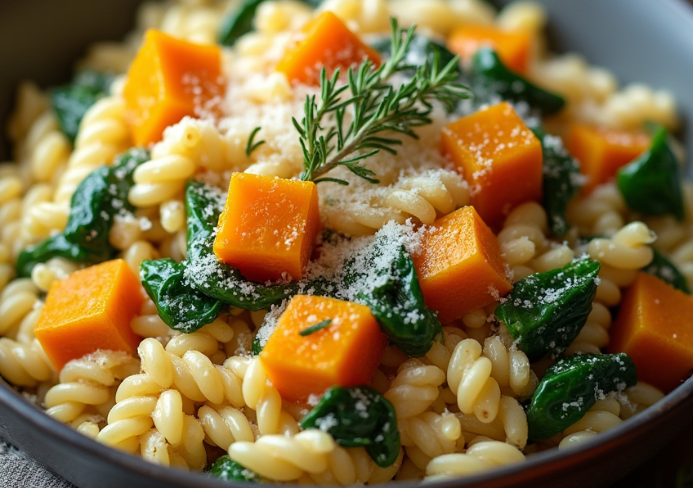
Maple Dijon Glazed Winter Vegetables
Maple Dijon Glazed Winter Vegetables
There’s something warmly uplifting about a bowl of slow-cooked winter vegetables glazed in maple and Dijon — it tastes like cozy evenings and simple comfort. This friendly, fuss-free recipe brings out the natural sweetness of carrots, parsnips, and Brussels sprouts while the mustard adds a gentle tang that keeps every bite lively. It’s a great side that pairs effortlessly with roasted proteins or a spiced cocktail; for a fun pairing idea, try the Cinnamon-Maple Sidecar for a seasonal lift.
Why make this recipe
What makes this dish special is the harmonious balance between the vegetables’ earthy sweetness and the bright, savory lift from Dijon mustard. Slow cooking gently concentrates flavors and tenderizes root vegetables without drying them out, and the maple syrup adds a glossy, caramelized finish that’s both elegant and homey. It’s an easy way to turn humble winter veg into something celebratory with minimal effort.
Step-by-Step Guide to Making Maple Dijon Glazed Winter Vegetables
Ingredients:
- 2 cups of winter vegetables (carrots, Brussels sprouts, parsnips) — washed, trimmed, and cut into bite-sized pieces
- 1/4 cup pure maple syrup
- 2 tablespoons Dijon mustard
- 2 tablespoons olive oil
- Salt and pepper to taste
- Fresh herbs (e.g., thyme or rosemary) for garnish
Directions:
- In a bowl, whisk together maple syrup, Dijon mustard, and olive oil until well combined.
- Prepare the winter vegetables by washing and cutting them into bite-sized pieces.
- Place the vegetables in a slow cooker and drizzle the maple dijon glaze over them.
- Season with salt and pepper, then stir to coat evenly.
- Cover and cook on low for 4-6 hours or until vegetables are tender.
- Serve warm, garnished with fresh herbs.
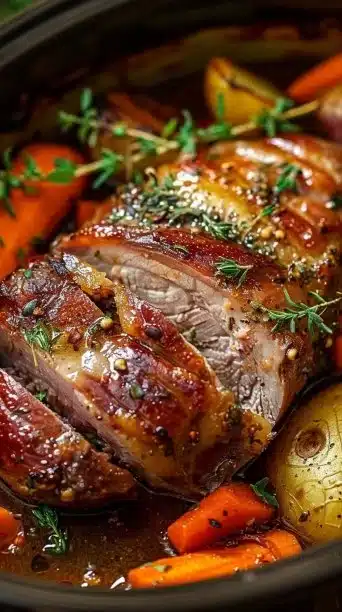
How to approach the steps in practice
- Step 1 (the glaze): Use a small whisk or fork and whisk until the glaze is glossy and homogenous. If your maple syrup is very thick, warm it slightly (10–15 seconds in a microwave-safe bowl) to make whisking easier.
- Step 2 (cut sizes): Aim for uniform bite-sized pieces so the vegetables cook evenly. Brussels sprouts can be halved or quartered depending on size; parsnips and carrots should be cut into 1–1.5 inch chunks or sticks.
- Step 3 (layering): Place firmer vegetables (parsnips and carrots) at the bottom of the slow cooker and more delicate items (Brussels sprouts) on top. That helps everything reach perfect tenderness at the same time.
- Step 4 (seasoning): Salt sparingly at first — you can always adjust at the end. Freshly cracked black pepper brings better aroma than pre-ground.
- Step 5 (timing): Check at 4 hours; slow cooker temperatures and cut sizes influence doneness. The goal is tender but not mushy: a fork should pierce the vegetable easily.
- Step 6 (finishing): Scatter fresh thyme or rosemary over the hot vegetables for aroma. A light squeeze of lemon (optional) brightens the glaze if you prefer more acidity.
Why the slow cooker works here
A slow cooker is ideal for this recipe because it allows the natural sugars in the vegetables and maple syrup to concentrate without burning. Low, moist heat helps root vegetables break down slightly, producing tender textures with a clean, caramelized flavor. If you’re short on time or prefer a crisper edge, see the variations section for oven-roasted alternatives.
Flavor and texture notes
- Maple syrup: choose a good-quality pure maple syrup (Grade A or equivalent) for the cleanest flavor. Avoid pancake syrups that contain corn syrup and artificial flavors.
- Dijon mustard: provides acidity and a subtle heat that prevents the dish from becoming cloyingly sweet.
- Olive oil: gives the glaze body and helps coat the vegetables so the maple and mustard cling and caramelize slightly during slow cooking.
- Herbs: thyme gives an earthy, floral note; rosemary is more piney and robust — both pair beautifully with winter veg.
Keeping Maple Dijon Glazed Winter Vegetables Fresh
- Refrigerate in an airtight container within two hours of cooking. Store at 40°F (4°C) or below.
- Keep for up to 4 days in the refrigerator.
- Freeze in a freezer-safe container or heavy-duty freezer bag for up to 3 months; cool completely before freezing.
- Reheat gently in a covered skillet over medium-low heat or in a 325°F (160°C) oven until warmed through; if frozen, thaw overnight in the fridge before reheating.
Serving Suggestions for Maple Dijon Glazed Winter Vegetables
- As a holiday side: Serve alongside roast turkey, glazed ham, or a whole roasted chicken — the sweet-and-tangy glaze complements rich meats.
- Vegetarian main pairing: Spoon over herbed quinoa or brown rice, top with toasted nuts (pecans or walnuts) and a sprinkle of crumbled goat cheese for a satisfying vegetarian entrée.
- Family-style bowl: Transfer to a warmed serving dish and let everyone sprinkle on their preferred garnish — a drizzle of extra virgin olive oil, flaky sea salt, or a handful of chopped parsley brightens the plate.
- Casual weeknight: Pair with pan-seared salmon or baked tofu for a quick balanced dinner; the glaze adds interest without extra prep time.
Tips to make Maple Dijon Glazed Winter Vegetables
- Use a mix of textures: combining root vegetables with Brussels sprouts gives a pleasing contrast between soft and slightly firm bites.
- Don’t over-salt early: salt draws out moisture; season at the beginning but taste and adjust before serving.
- Keep the glaze balanced: if your maple is very sweet, add an extra teaspoon of Dijon or a splash of apple cider vinegar to balance it.
- Cut evenly: uniform pieces cook at the same rate and prevent some veggies from overcooking while others remain underdone.
- Fresh herbs finish: always add herbs at the end — prolonged cooking will dull their bright aroma.
Variations and substitutions
- Vegetarian/vegan: The recipe is already vegan if your maple syrup and mustard are plant-based; for extra richness, finish with a sprinkle of toasted nuts or seeds.
- Oven-roasted version: Toss vegetables and glaze on a rimmed baking sheet, spread in a single layer, and roast at 425°F (220°C) for 25–35 minutes, stirring once halfway through for caramelized edges.
- Spice it up: Add a pinch of chili flakes or a teaspoon of smoked paprika into the glaze for warmth and depth.
- Swap vegetables: Use sweet potatoes, beets (roasted separately to avoid bleeding), or butternut squash in place of parsnips for seasonal variety.
- Mustard swap: If Dijon is too sharp, use whole-grain mustard for texture, or reduce to 1 tablespoon and add 1 tablespoon of apple cider vinegar to maintain brightness.
FAQs
Q: How can I tell when the vegetables are done?
A: When a fork slides into the thickest piece with little resistance and the vegetables are tender but not falling apart, they’re done. For slow cooker timing, check at 4 hours and every 30 minutes thereafter as needed.
Q: Can I prepare this ahead of time?
A: Yes — you can prep and cut the vegetables the day before and keep them refrigerated. Hold off on tossing them in the glaze until you’re ready to cook to prevent sogginess.
Q: Is this recipe freezer-friendly?
A: Yes. Cool completely, then store in freezer-safe containers for up to 3 months. Thaw overnight in the refrigerator and reheat gently.
What to watch out for (Q&A style)
Q: Will the maple syrup burn in the slow cooker?
A: No — low, moist heat in a slow cooker prevents burning in most cases. If you opt for oven-roasting instead, watch the vegetables in the last 10 minutes to avoid excessive caramelization or burning.
Q: Can I double the recipe?
A: Yes — double the glaze proportionally and use a larger slow cooker or two cookers. Avoid overcrowding; vegetables need space to cook evenly.
How this fits into different dietary needs
- Gluten-free: Naturally gluten-free as long as your Dijon mustard is certified gluten-free (check labels).
- Vegan: Plant-based-friendly — no animal ingredients.
- Low-fat: Reduce the olive oil to 1 tablespoon if you prefer lower fat; the maple and mustard still provide flavor.
- Low-sodium: Reduce added salt and season at the end with a small pinch of flaky sea salt if needed.
Timing and meal planning tips
- Weekend meal prep: Slow cook while you do other chores — the hands-on time is minimal (10–15 minutes).
- Make-ahead for gatherings: Cook earlier in the day, keep warm in the slow cooker on the “warm” setting, and refresh herbs right before serving.
- Leftovers: Repurpose into salads, grain bowls, or fold into an omelet for breakfast the next day.
A gentle note on texture preferences
Some people prefer a firmer bite to their winter vegetables while others like them meltingly tender. If you like more texture, check at 4 hours and remove the slow cooker insert to allow some heat loss that halts further softening. Alternatively, for a caramelized surface, transfer cooked vegetables to a hot skillet for a few minutes to sear edges.
Presentation ideas
- Garnish with whole herb sprigs and a light sprinkle of toasted walnuts for contrast.
- Serve in a shallow white bowl so the colors of the vegetables and glaze pop.
- For a more refined plate, finish with a micro-planed lemon zest for brightness and scatter of pomegranate seeds for color and a sweet-tart burst.
Troubleshooting
- If the glaze seems thin after cooking: Transfer vegetables to a skillet, simmer the glaze at medium heat for a couple minutes to reduce, then toss the vegetables in the reduced glaze.
- If it’s too sweet: Add a teaspoon of Dijon or a splash (1–2 teaspoons) of apple cider vinegar and toss to balance.
- If unevenly cooked: Ensure vegetables are cut into uniform pieces and arrange firmer veg below more tender ones in the slow cooker.
Nutritional notes
This dish is rich in vitamins A and C (from carrots and Brussels sprouts) and provides fiber from the root vegetables. Maple syrup contributes sugars but also trace minerals like manganese; if you’re watching sugar intake, reduce the maple to 2 tablespoons and add a little extra Dijon for balance.
Final plating and serving timing
Serve the dish warm, straight from the slow cooker for casual settings, or transfer to a pre-warmed serving platter for formal meals. Add garnishes last minute so they remain fresh and aromatic.
Conclusion
If you want another take on maple-Dijon glazing for roasted vegetables, check out this detailed recipe at Savor Home’s Maple-Dijon Roasted Winter Vegetables, which offers oven-roasting tips and variations. For a health-focused version with nutritional guidance and serving ideas, see the recipe page at HonorHealth’s Maple-Dijon roasted winter vegetables.
Print
Maple Dijon Glazed Winter Vegetables
- Total Time: 255 minutes
- Yield: 4 servings 1x
- Diet: Vegan
Description
A cozy and uplifting bowl of slow-cooked winter vegetables glazed with maple and Dijon mustard, perfect as a side dish for festive occasions.
Ingredients
- 2 cups winter vegetables (carrots, Brussels sprouts, parsnips) — washed, trimmed, and cut into bite-sized pieces
- 1/4 cup pure maple syrup
- 2 tablespoons Dijon mustard
- 2 tablespoons olive oil
- Salt and pepper to taste
- Fresh herbs (e.g., thyme or rosemary) for garnish
Instructions
- In a bowl, whisk together maple syrup, Dijon mustard, and olive oil until well combined.
- Prepare the winter vegetables by washing and cutting them into bite-sized pieces.
- Place the vegetables in a slow cooker and drizzle the maple Dijon glaze over them.
- Season with salt and pepper, then stir to coat evenly.
- Cover and cook on low for 240-360 minutes or until vegetables are tender.
- Serve warm, garnished with fresh herbs.
Notes
For a crispier texture, consider roasting the vegetables instead of slow cooking. You can also add a light squeeze of lemon before serving for more acidity.
- Prep Time: 15 minutes
- Cook Time: 240 minutes
- Category: Side Dish
- Method: Slow Cooking
- Cuisine: American
Nutrition
- Serving Size: 1 serving
- Calories: 200
- Sugar: 14g
- Sodium: 250mg
- Fat: 8g
- Saturated Fat: 1g
- Unsaturated Fat: 7g
- Trans Fat: 0g
- Carbohydrates: 30g
- Fiber: 4g
- Protein: 3g
- Cholesterol: 0mg
Keywords: winter vegetables, maple glaze, slow cooker, vegan side dish, comfort food