Mediterranean Shrimp Skillet with Lemon Garlic Sauce: A Bright, Savory, One-Pan Dinner That Feels Elegant and Effortless
Mediterranean Shrimp Skillet with Lemon Garlic Sauce: A Bright, Savory, One-Pan Dinner That Feels Elegant and Effortless
This bright, garlicky shrimp skillet comes together in minutes and tastes like something you’d order at a seaside bistro — only easier. With just one pan, a handful of pantry staples, and a squeeze of lemon, you get a dinner that’s both weeknight-friendly and company-worthy. If you love simple one-pan meals, you might also enjoy a similar flavor-forward option like spring and summer pesto chicken — it has the same easy, satisfying spirit.
Why make this recipe
This dish stands out for several reasons:
- Speed: Ready in about 15–20 minutes from start to finish.
- Simplicity: Minimal ingredients and one skillet mean less fuss and fewer dishes.
- Bright, balanced flavor: Lemon and garlic lift the savory shrimp while oregano and paprika add Mediterranean depth.
Ingredients
- 1 1/2 lbs shrimp (peeled and deveined)
- 3 tbsp olive oil
- 4 cloves garlic (minced)
- 1 tsp paprika
- 1/2 tsp oregano
- Salt and pepper (to taste)
- Juice of 1 lemon
- 2 tbsp parsley (chopped, for garnish)
Step-by-Step Guide to Making Mediterranean Shrimp Skillet with Lemon Garlic Sauce
- Prep the shrimp
- Pat the shrimp dry with paper towels — this helps them sear and prevents steaming.
- Season the shrimp on both sides with salt, pepper, paprika, and oregano. Let them sit for 5 minutes while you heat the pan so the flavors penetrate.
- Heat the skillet
- Place a large skillet over medium-high heat and add 3 tablespoons of olive oil. The pan should be hot but not smoking; when a drop of water sizzles, it’s ready.
- Sauté the garlic
- Add the minced garlic to the pan and cook briefly, about 20–30 seconds, stirring constantly. You want fragrant garlic without letting it brown and turn bitter.
- Cook the shrimp
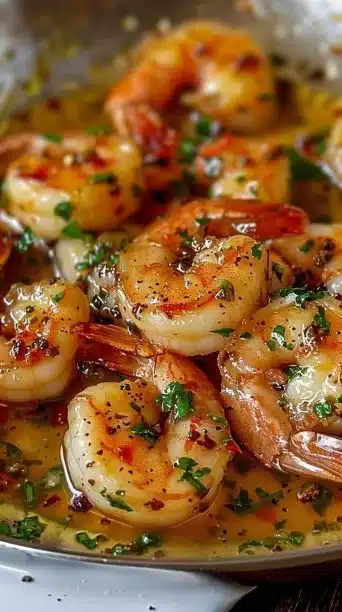
- Add the seasoned shrimp in a single layer. Cook without moving them for 1–2 minutes so they get a good sear, then flip and cook another 1–2 minutes until the shrimp are pink, opaque, and curled into a loose “C” (avoid overcooking until they form a tight “O”).
- Total cook time will depend on shrimp size but typically 3–4 minutes.
- Finish with lemon
- Remove the skillet from heat, squeeze the juice of one lemon over the shrimp, and toss to combine. The brief off-heat lemon bath keeps the citrus bright and prevents the shrimp from becoming tough.
- Garnish and serve
- Sprinkle 2 tablespoons of chopped parsley over the shrimp and serve straight from the pan or transfer to a warm platter.
A few technique notes:
- Don’t overcrowd the pan — if necessary, cook the shrimp in two batches. Overcrowding cools the pan and produces steaming rather than searing.
- When in doubt, slightly undercook: shrimp will finish cooking with residual heat while you finish the sauce and plate.
Best Way to Store Mediterranean Shrimp Skillet with Lemon Garlic Sauce
- Refrigerator: Store in an airtight container for up to 2 days at 40°F (4°C) or below.
- Freezer: Shrimp can be frozen in a shallow airtight container for up to 1 month at 0°F (-18°C), though texture may be slightly altered after thawing.
- Reheat: Thaw in the refrigerator overnight (if frozen) and reheat gently in a skillet over low heat for 2–3 minutes, or microwave at 50% power in short bursts to avoid rubbery shrimp.
Serving Suggestions for Mediterranean Shrimp Skillet with Lemon Garlic Sauce
- Over orzo or pasta: Toss the shrimp and sauce with cooked orzo or linguine for a heartier meal. A drizzle of extra virgin olive oil and a handful of chopped cherry tomatoes brightens the dish.
- With crusty bread: Serve alongside rustic bread to soak up the lemon-garlic juices.
- On a green salad: Spoon warm shrimp over a bed of peppery arugula or mixed greens for a lighter option.
- With couscous or rice: Fluffy couscous or basmati rice pairs beautifully and makes the meal more filling.
- For entertaining: Arrange on a large platter with lemon wedges and extra parsley; this one-pan presentation reads elegant and effortless.
Tips to make Mediterranean Shrimp Skillet with Lemon Garlic Sauce
Q: How do I keep the shrimp from overcooking?
A: Use high heat to sear quickly and remove the shrimp the moment they turn opaque and pink; they should still be slightly translucent in the center. Residual heat will finish them.
Q: What if I don’t have fresh lemon?
A: Fresh lemon juice is best for brightness, but you can substitute 1–1.5 teaspoons bottled lemon juice in a pinch. Add a little lemon zest if you have it for extra aroma.
Q: How to prevent garlic from burning?
A: Add garlic when the oil is warm but not smoking, and watch closely — garlic goes from fragrant to bitter within seconds.
Variations (two simple options)
- Bullet variation: Swap the shrimp for scallops (similar cook time) and finish with a splash of white wine for a richer pan sauce. This keeps the Mediterranean profile while offering a different texture.
- Paragraph variation: If you’re avoiding gluten or carbs, serve the lemon-garlic shrimp over a bed of zucchini noodles or cauliflower rice. The light, citrusy sauce makes a natural match for low-carb bases, and increasing the parsley and adding a few capers can introduce a briny contrast that elevates the overall flavor.
What makes it special
This skillet captures the essence of Mediterranean cooking: simple, high-quality ingredients, bright citrus, and fragrant herbs. The whole dish relies on technique more than fuss — dry the shrimp, get a hot pan, and finish with fresh lemon — and those small choices produce a result that tastes far more sophisticated than the minimal effort suggests.
Practical notes on ingredients and substitutions
- Shrimp: Use large (16–20 count) or jumbo (8–12 count) for the most satisfying bite. Thaw frozen shrimp in the refrigerator overnight for best texture.
- Olive oil: A good-quality extra-virgin olive oil adds depth; if using a delicate olive oil, consider finishing with it off-heat to preserve its flavor.
- Paprika: Smoked paprika adds a lovely, subtle smokiness; sweet (regular) paprika keeps the dish milder.
- Oregano: Dried oregano pairs well; if using fresh oregano, add it at the end to preserve brightness.
- Parsley: Flat-leaf parsley offers a cleaner, herbaceous note; you can substitute cilantro for a different herbal profile, but it will change the overall Mediterranean character.
Serving and pairing ideas (expanded)
- Wine pairing: A crisp white like Sauvignon Blanc or a dry Vermentino complements lemon and garlic without overpowering the shrimp. For a rosé lover, a dry Provençal rosé is a lovely match.
- Cocktail pairing: A light gin and tonic or a citrusy spritz works well if you prefer cocktails.
- Side salads: Combine cucumber, tomato, red onion, and a splash of red wine vinegar for a quick chopped salad that echoes Mediterranean flavors.
- Vegetables: Roasted or sautéed zucchinis, cherry tomatoes, or a simple ratatouille-style medley provide color and substance.
Troubleshooting common problems
- Shrimp tastes bland: Check the salt level and lemon balance; a little more acid and finishing salt can transform the flavor.
- Shrimp is rubbery: You likely overcooked it. Reduce cooking time and remove from heat when just opaque.
- Garlic is bitter: It was cooked too long or at too high heat. Start again, lower the heat, and add garlic for just 20–30 seconds until fragrant.
Nutrition and health notes
- Shrimp is a lean protein with low calories per serving and a good source of iodine, selenium, and vitamin B12.
- Using olive oil provides monounsaturated fats that are heart-healthy; keep portions moderate if you are tracking calories.
- This dish is naturally gluten-free (when served with rice, salad, or vegetable sides) and low in carbohydrates when kept without pasta or bread.
Meal prep and make-ahead ideas
- Marinate briefly: You can season the shrimp up to 30 minutes ahead in the fridge; longer marination with citrus can begin to “cook” the shrimp and is not recommended.
- Sauce ahead: Mince garlic and chop parsley in advance. Store separately in airtight containers and finish the dish in 5–7 minutes when ready to serve.
- Batch cooking: Cooked shrimp can be used cold in salads or sandwiches for up to 2 days refrigerated; however, for the best texture, reheat gently.
FAQs
Q: Can I use frozen shrimp?
A: Yes — thaw shrimp in the refrigerator overnight and pat dry before cooking to ensure a good sear.
Q: How long should I cook the shrimp?
A: About 3–4 minutes total in a hot skillet, depending on size — stop when they turn pink and form a loose “C.”
Q: Can I make this spicy?
A: Absolutely. Add a pinch of red pepper flakes with the garlic or a dash of cayenne with the paprika to bring heat.
How to adapt for larger groups
- Multiply ingredients and cook in batches: Overcrowding the pan will steam the shrimp. Use multiple pans or cook in batches, keeping finished shrimp warm in a low oven (200°F / 95°C) just until ready to serve.
- Buffet-style: Serve shrimp in a warm shallow dish with lemon wedges, parsley, and bowls of sides so guests can assemble their plates.
A note on equipment
- Heavy-bottomed skillet: A stainless steel or cast-iron skillet holds heat well for a good sear. Nonstick works but may not give the same browned edges.
- Tongs or spatula: Use tongs for easy flipping without piercing the shrimp.
- Zester or microplane: Adds a quick lemon zest garnish if you want an extra aromatic lift.
Quick weeknight plan
- Start water for pasta or rice as you season the shrimp.
- While the pasta cooks, sear shrimp and finish with lemon; combine with pasta and a drizzle of oil for a 20-minute meal that feels special.
Final plating tips
- Warm the plate or serving skillet briefly so the shrimp remain hot at the table.
- Add a final drizzle of good-quality olive oil and a few lemon zest shavings for visual appeal.
- Scatter a few whole parsley leaves for color contrast.
Conclusion
This Mediterranean Shrimp Skillet is an elegant, minimal-effort dinner that highlights bright lemon, fragrant garlic, and perfectly seared shrimp — ideal for busy weeknights or an easy, impressive dinner for guests. If you’d like a heartier variant featuring grain and similar Mediterranean flavors, try the excellent one-pot orzo approach in the Mediterranean Shrimp and Orzo Recipe | Spices in My DNA, which expands the skillet into a comforting pasta-style meal. For other simple, roasted seafood ideas with similar Mediterranean vibes, this One-Pan Roasted white fish with Tomatoes, Zucchini and Olives offers a lovely alternative to serve alongside this shrimp or on nights when you want to change up the protein.
Print
Mediterranean Shrimp Skillet with Lemon Garlic Sauce
- Total Time: 15 minutes
- Yield: 4 servings 1x
- Diet: Gluten-Free, Low-Carb
Description
A bright, savory one-pan dinner featuring garlicky shrimp, lemon, and Mediterranean spices that is elegant yet effortless.
Ingredients
- 1 1/2 lbs shrimp (peeled and deveined)
- 3 tbsp olive oil
- 4 cloves garlic (minced)
- 1 tsp paprika
- 1/2 tsp oregano
- Salt and pepper (to taste)
- Juice of 1 lemon
- 2 tbsp parsley (chopped, for garnish)
Instructions
- Pat the shrimp dry with paper towels and season with salt, pepper, paprika, and oregano. Let sit for 5 minutes.
- Heat a large skillet over medium-high heat and add olive oil.
- Add minced garlic to the pan and sauté for 20–30 seconds.
- Add seasoned shrimp in a single layer and cook for 1–2 minutes without moving them. Flip and cook for another 1–2 minutes until they are pink and opaque.
- Remove from heat, squeeze lemon juice over the shrimp, and toss.
- Garnish with parsley and serve.
Notes
Do not overcrowd the pan when cooking shrimp; if necessary, cook in batches. Keep residual heat in mind when checking for doneness.
- Prep Time: 5 minutes
- Cook Time: 10 minutes
- Category: Main Course
- Method: Sautéing
- Cuisine: Mediterranean
Nutrition
- Serving Size: 1 serving
- Calories: 350
- Sugar: 1g
- Sodium: 500mg
- Fat: 14g
- Saturated Fat: 2g
- Unsaturated Fat: 10g
- Trans Fat: 0g
- Carbohydrates: 6g
- Fiber: 1g
- Protein: 30g
- Cholesterol: 200mg
Keywords: shrimp, one-pan, Mediterranean, quick dinner, seafood