Mini Basque Cheesecake
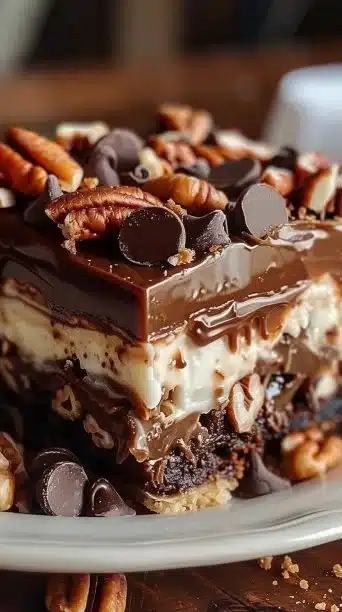
Mini Basque Cheesecake — a small, scorched-top dream that’s creamy in the center and simply fuss-free to make. This version shrinks the famous Spanish-style cheesecake down to personal-sized portions with just a handful of pantry ingredients, perfect for weeknight baking or an elegant dessert for two. If you enjoy decadent hybrids, you might also like this brownie cheesecake mashup that pairs intense chocolate with silky filling.
Why make this recipe
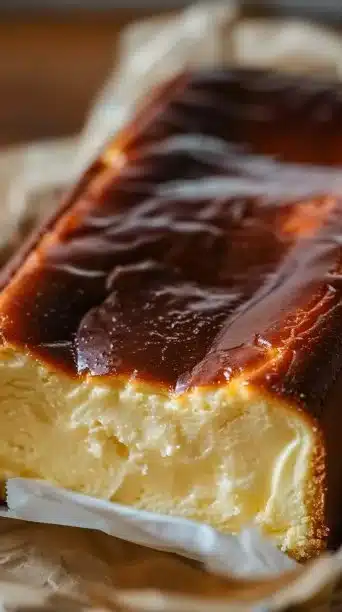
What makes this little Basque cheesecake so special is its dramatic burnt top that gives smoky caramel notes while the inside stays luxuriously soft — no water bath, no fuss. It’s a quick build with ingredients you likely already have, and the single-serving format means less sharing (and less guilt). Plus, it’s a showstopper: the rustic burnt crust looks like a pastry chef made it, even when it’s baked at home.
Ingredients
- 1 cup cream cheese, softened
- 1/2 cup sour cream
- 1/2 cup sugar
- 2 large eggs
- 1 teaspoon vanilla extract
- 1 tablespoon all-purpose flour
- Pinch of salt
Step-by-Step Guide to Making Mini Basque Cheesecake
Below you’ll find both the original straightforward directions and extra detail to help you get consistent results, every time.
Directions (original)
- Preheat the oven to 400°F (200°C). Grease a small baking dish or ramekins.
- In a mixing bowl, combine the cream cheese and sour cream, and mix until smooth.
- Add in sugar, eggs, vanilla extract, flour, and salt. Mix until well combined.
- Pour the batter into the prepared dish, smoothing the top.
- Bake for 25–30 minutes, or until the top is deeply golden and slightly burnt.
- Allow to cool before removing from the dish and serving.
Detailed notes and baking tips for each step
Preheat and prep: Heat your oven to 400°F (200°C) so it’s fully up to temperature before the cheesecake goes in. For consistent browning, place a rack in the middle of the oven. Grease either a small square baking dish or individual ramekins — the recipe works beautifully both ways. If you use ramekins, they’ll bake slightly faster, so keep an eye on them from 20 minutes onward.
Cream the base: Use softened cream cheese (leave it at room temperature for 30–60 minutes) and a spoonful of sour cream. Beat them together with a hand mixer or whisk until smooth and lump-free. This is the base for a silky texture; taking the time to smooth out any lumps will pay off in the finished mouthfeel.
Adding the rest: Add sugar, then eggs one at a time, scraping the bowl between additions. Stir in vanilla, flour, and a pinch of salt. The flour helps stabilize the custard so the center sets without getting rubbery. Mix until homogeneous but avoid overbeating once the eggs are in — overworking can incorporate too much air and lead to cracks.
Pour and level: Pour the batter into your greased dish or ramekins. Level the top gently with a spatula so there are no peaks that will brown unevenly. The batter will be relatively loose — that’s normal for the Basque style.
Bake to achieve the signature top: Bake 25–30 minutes for a small dish; for individual ramekins check at 20 minutes. You want a deeply golden to dark brown top that looks almost charred in spots — that’s the flavor development everyone loves. The center should still jiggle slightly when you nudge the pan; it will firm up as it cools.
Cool before serving: Let the cheesecake cool at room temperature until it is warm, then chill for a short while if you prefer firmer slices. Removing it straight from the dish when it’s warm makes for the most custardy texture; chilling gives a cleaner slice. If you’re using ramekins, you can serve directly in them or invert after cooling.
Best Way to Store Mini Basque Cheesecake
- Refrigerate: Store covered in the refrigerator for up to 5 days at 35–40°F (2–4°C).
- Freeze: Wrap tightly and freeze for up to 1 month at 0°F (-18°C); thaw overnight in the refrigerator before serving.
- Room temp short-term: You can keep the cheesecake at room temperature (covered) for up to 2 hours for serving, but don’t leave it out longer to avoid spoilage.
Serving Suggestions for Mini Basque Cheesecake
- Keep it simple: The Basque cheesecake’s burnt top and creamy interior are delicious on their own — serve slightly warm with a spoon so guests can enjoy the contrast of textures.
- Fruit and acid: Brighten the richness with a simple topping of macerated berries (strawberries, raspberries, or blueberries tossed with a little sugar and lemon zest) or a drizzle of passionfruit pulp.
- Contrast and crunch: Pair with a crisp cookie (like an almond tuile) or sprinkle toasted nuts over the top for a textural contrast.
- Boozy addition: A spoon of orange liqueur or a dusting of espresso powder enhances complexity when serving to adults.
Tips to make Mini Basque Cheesecake
- Use room-temperature ingredients: Let the cream cheese and eggs come to room temperature so they blend smoothly and you avoid lumps.
- Don’t overmix after adding eggs: Mix until just combined to prevent too much air, which can cause cracks or an overly cake-like texture.
- Watch the bake time: Ovens vary — look for a deeply browned or nearly burnt top and a slightly wobbly center rather than relying only on the clock.
- Try metal over glass: A metal baking dish or metal ramekins help encourage a stronger caramelized top versus glass, which heats differently.
- Rest before unmolding: Allowing the cheesecake to cool will let the center set and makes it easier to remove cleanly.
Variations
- Citrus-scented: Add 1 teaspoon of finely grated lemon or orange zest to the batter for a bright, aromatic lift. This is an easy mix-in that pairs beautifully with the caramel notes from the burnt top.
- Chocolate swirl: Fold in 1–2 tablespoons of melted dark chocolate or cocoa powder before baking and swirl lightly into the batter for a marbled chocolate effect — richer and slightly more decadent.
Why this technique works (a short science note)
The Basque cheesecake is essentially a high-temperature baked custard. The elevated temperature creates Maillard browning and caramelization on the exposed surface, producing that bitter-sweet, toasted flavor. The dense filling (thanks to cream cheese and a little flour) sets without turning into a sponge. No water bath is needed because the high heat forms a protective crust quickly, which helps the interior hold moisture, resulting in the signature creamy center.
Troubleshooting common issues
- Top didn’t burn enough: If your top is too pale, increase the oven temperature slightly or move the rack higher in the oven for the last 3–5 minutes of baking to encourage more browning. Watch closely to avoid burning beyond the desired char.
- Center too set or dry: Reduce bake time by a few minutes; aim for a slightly wobbly center when you take the cheesecake out. Overbaking dries the custard.
- Lumpy batter: Ensure the cream cheese is very soft before mixing and beat it until smooth. A quick pulse in a food processor or brief microwave (10–15 seconds) can help soften stubborn cream cheese.
- Sticking to dish: Grease the dish thoroughly, or line with parchment overhanging the edges for easy removal.
Q&A and FAQs
Q: How do I keep it moist?
A: Bake until just set in the center and allow to cool slowly; the slightly underbaked center is the secret to a silky, moist texture.
Q: Can I scale this up to a larger pan?
A: Yes — increase the bake time and watch for the deep golden top; large pans may need 35–40 minutes at 400°F (200°C) depending on depth.
Q: Do I need a water bath?
A: No. The Basque method intentionally avoids a water bath. The high oven temperature creates a caramelized top that protects the custard while it sets.
What about toppings?
- Serve plain for the pure experience, or offer a small selection of toppings (fresh berries, salted caramel, espresso dust) so guests can customize.
If you’d like charitable variations for dietary needs — for example, using a lower-fat cream cheese or a gluten-free flour — be mindful that texture and browning may shift slightly; adjust bake time and keep a close eye on the top.
A few more serving ideas and menu pairings
- Afternoon tea: Serve a mini Basque cheesecake with herbal tea or an Americano for a late-afternoon treat.
- Dinner party finale: Present individual ramekins slightly warm with a tiny spoonful of fruit compote and a mint leaf for an elegant plate.
- Breakfast-style decadence: Top a chilled slice with a spoonful of Greek yogurt and honey for a brunch-friendly twist.
Final notes on equipment and timing
- Ramekins vs small dish: Ramekins present beautifully and work great for single servings; a small square or round baking dish makes for easier slicing if you want to serve multiple portions from one vessel.
- Oven calibration: If your oven runs hot or cold, adjust accordingly. An oven thermometer is a handy investment for consistent baked results.
- Make-ahead: The cheesecake can be chilled overnight and served the next day — chilling firms the texture and can improve sliceability for neat presentation.
FAQs (varied formats)
Q: Can I use Greek yogurt instead of sour cream?
A: Yes, full-fat Greek yogurt can be substituted for sour cream in equal measure; the texture will be similar and it will be slightly tangier.Q: How long do leftovers keep?
A: Refrigerated, leftovers are fine for up to 5 days. See the storage section above for temperatures.Q: What causes the cake to crack?
A: Rapid temperature changes or overmixing (incorporating too much air) can cause cracks. Avoid overbeating and allow the cheesecake to cool gradually.How can I reheat a slice?
Reheat briefly in a warm (not hot) oven or microwave for a few seconds if you prefer it slightly warm; don’t overheat or the center will lose its custard-like texture.
Conclusion
The Mini Basque Cheesecake is a deceptively simple dessert that delivers complex flavor and a luxe texture with minimal effort; its caramelized, almost-burnt top gives it a flavor profile unlike most cheesecakes. For inspiration and variations on the mini-format technique, see this practical write-up on Mini Basque cheesecakes | Alice Zaslavsky, and for another easy-to-follow recipe with helpful tips, consult this guide: Mini Basque Cheesecake Recipe – Creamy, Burnt & Easy to Make. Enjoy the contrast of smoky top and silky center — it’s one of those desserts that feels both rustic and indulgent.
Print
Mini Basque Cheesecake
- Total Time: 45 minutes
- Yield: 2 servings 1x
- Diet: Vegetarian
Description
A small, scorched-top dream that’s creamy in the center and simply fuss-free to make. Perfect for weeknight baking or an elegant dessert for two.
Ingredients
- 1 cup cream cheese, softened
- 1/2 cup sour cream
- 1/2 cup sugar
- 2 large eggs
- 1 teaspoon vanilla extract
- 1 tablespoon all-purpose flour
- Pinch of salt
Instructions
- Preheat the oven to 400°F (200°C). Grease a small baking dish or ramekins.
- In a mixing bowl, combine the cream cheese and sour cream, and mix until smooth.
- Add in sugar, eggs, vanilla extract, flour, and salt. Mix until well combined.
- Pour the batter into the prepared dish, smoothing the top.
- Bake for 25-30 minutes, or until the top is deeply golden and slightly burnt.
- Allow to cool before removing from the dish and serving.
Notes
Use room-temperature ingredients for better mixing. Don’t overmix after adding eggs to prevent cracks. Watch the baking time closely for desired top browning.
- Prep Time: 15 minutes
- Cook Time: 30 minutes
- Category: Dessert
- Method: Baking
- Cuisine: Spanish
Nutrition
- Serving Size: 1 serving
- Calories: 350
- Sugar: 5g
- Sodium: 400mg
- Fat: 12g
- Saturated Fat: 4g
- Unsaturated Fat: 6g
- Trans Fat: 0g
- Carbohydrates: 45g
- Fiber: 1g
- Protein: 6g
- Cholesterol: 30mg
Keywords: cheesecake, dessert, Basque cheesecake, easy dessert, baking, small serving