Portuguese Coconut Cakes
Portuguese Coconut Cakes
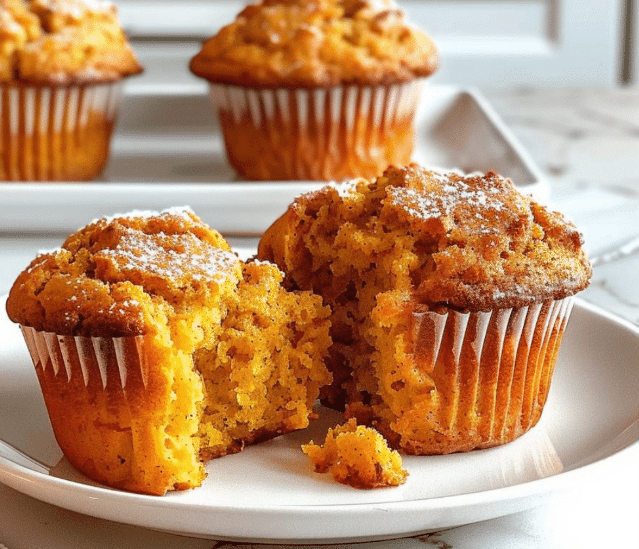
There’s something quietly nostalgic about a plate of Portuguese Coconut Cakes—simple, sun-drenched flavors that feel like a warm kitchen and a family table. These little cakes balance tender coconut chew with a delicate, almost custardy crumb, perfect for a slow morning or an afternoon tea. If you enjoy playful themed desserts as much as timeless classics, this treat sits wonderfully alongside fun bakes like the Baby Yoda cupcakes guide while keeping its own old-world charm.
Why make this recipe
What makes these Portuguese Coconut Cakes special is how a handful of humble ingredients transform into a moist, fragrant cake with a tender interior and lightly caramelized edges. The coconut flavor is front and center but balanced by subtle richness and a hint of brightness, depending on optional additions you choose. They’re comforting, effortlessly elegant, and surprisingly adaptable—perfect for home bakers who love a straightforward recipe that rewards patience and good ingredients.
Ingredients
Base ingredients provided for this version:
- 1 cup Coconut Milk
- 1 cup Shredded Coconut
- 2 large Eggs
- 3/4 cup Sugar
- 1 cup Flour
- 1 tbsp Baking Powder
Pantry items and optional additions used in the step-by-step directions below (you may already have these at home):
- 1/2 cup unsalted butter (melted and cooled)
- 1/2 cup whole milk (or additional coconut milk)
- 1 teaspoon pure vanilla extract
- Zest of 1 lemon (optional, but recommended)
- Pinch of salt
- Extra shredded coconut or all-purpose flour for dusting molds
- Powdered sugar for optional dusting after baking
Note: The recipe below expands on the basic ingredient list to include small, commonly used extras (butter, vanilla, zest, and salt) that help build structure and flavor. If you prefer to stick strictly to the core list, see the Variations section for substitutions.
Step-by-Step Guide to Making Portuguese Coconut Cakes
Getting Started: Prepping Your Kitchen for Portuguese Coconut Cakes
- Preheat Your Oven: Preheat your oven to 350°F (175°C). Allow it to reach temperature and stabilize so the cakes bake evenly from the start.
- Prepare Your Baking Molds: Use a standard 12-cup muffin tin, tartlet molds, or small ceramic ramekins. Thoroughly grease each cavity with softened butter or non-stick spray. For a pretty textured finish and extra non-stick protection, dust the greased molds lightly with a bit of flour or additional shredded coconut; tap out the excess.
- Gather Your Ingredients: Measure everything out and set it up “mise en place.” Having eggs and milk at room temperature helps the batter emulsify and produces a smoother, more consistent crumb. If eggs are cold, set them in warm (not hot) water for 5–10 minutes.
Crafting the Luscious Portuguese Coconut Cake Batter
4. Melt the Butter: In a microwave-safe bowl or small saucepan, gently melt 1/2 cup unsalted butter. Let it cool until warm but not hot.
5. Combine Dry Ingredients: In a large mixing bowl, mix 1 1/2 cups unsweetened shredded coconut (note: you can combine the provided 1 cup shredded coconut with an extra 1/2 cup if following the fuller-direction method), 1 cup granulated sugar, 1/4 cup all-purpose flour (in addition to the main 1 cup flour if you prefer a more coconut-forward texture), and 1/4 teaspoon salt. Whisk thoroughly to remove lumps and distribute the salt and flour evenly.
6. Prepare the Eggs and Liquid: In a separate bowl, lightly whisk together 4 large eggs and 2 large egg yolks until just combined and pale yellow. (If you are following the simpler ingredient list with 2 eggs, whisk those and omit the extra yolks—expect a slightly less custardy texture.)
7. Add Wet to Dry: Pour the whisked egg mixture into the bowl with the dry ingredients. Add 1/2 cup whole milk (or use coconut milk from your ingredient list for a richer coconut flavor), 1 teaspoon pure vanilla extract, and the zest of 1 lemon if using. The lemon zest brightens the coconut and stops the cake from feeling too heavy.
8. Incorporate the Butter: Pour the slightly cooled melted butter into the batter bowl.
9. Mix the Batter: Gently fold the ingredients together with a rubber spatula or wooden spoon until just combined. Aim for a thick, slightly lumpy batter — shredded coconut will absorb some liquid and produce a rustic texture. Avoid overmixing to keep the cakes tender.
10. Allow the Batter to Rest (Optional but Recommended): Let the batter rest for 15–20 minutes at room temperature. This hydrates the coconut and helps the flavors meld, improving both texture and taste.
Baking Your Portuguese Coconut Cakes to Golden Perfection
11. Fill the Molds: Give the batter a quick gentle stir, then spoon it into the prepared molds, filling each cavity two-thirds to three-quarters full. These cakes don’t rely heavily on chemical leaveners in some variations, so they won’t rise dramatically; they should puff modestly.
12. Bake Until Golden: Place the filled molds in the preheated oven and bake at 350°F (175°C) for approximately 25–35 minutes. Bake time depends on mold size and oven—start checking at 25 minutes.
13. Check for Doneness: The cakes are done when the tops are golden brown and a toothpick inserted in the center comes out clean or with a few moist crumbs. The aroma should be fragrant—think toasted coconut with a hint of lemon and vanilla.
14. Initial Cooling: Remove the tins from the oven and let the cakes cool in the molds on a wire rack for 10–15 minutes. This rest allows them to set so they don’t fall apart when removed.
The Grand Finale: Cooling and Serving Your Portuguese Coconut Cakes
15. Remove from Molds: After the initial cooling, invert or loosen the cakes from the molds and transfer them to a wire rack to cool completely. If some resist, run a small knife around the edges or use a spatula.
16. Cool Completely: Allow cakes to cool fully for the best texture. While slightly warm is tempting, complete cooling helps the interior settle into that custardy, tender state characteristic of these cakes.
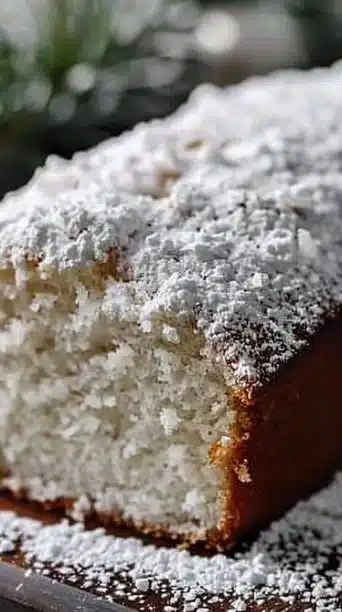
17. Optional Dusting: Once cool, dust lightly with powdered sugar if desired for a delicate finish.
18. Serving: These cakes are lovely with strong Portuguese coffee, black tea, or a citrusy herbal infusion. They work as an elegant dessert, a teatime treat, or a comforting breakfast cake.

Best Way to Store Portuguese Coconut Cakes
- Room temperature: Store in an airtight container at room temperature for up to 3 days. Keep away from direct sunlight and heat.
- Refrigerator: Store in the fridge for up to 5 days in an airtight container to extend freshness and keep the coconut from going rancid.
- Freezer: Wrap individually in plastic wrap and place in a freezer-safe container for up to 2 months. Thaw overnight in the refrigerator and warm briefly before serving.
Serving Suggestions for Portuguese Coconut Cakes
- Classic: Serve each cake as-is alongside a small cup of espresso or strong black tea to contrast the sweetness.
- With Fruit: Plate with a spoonful of macerated berries or a bright passionfruit coulis to cut through the richness.
- Creamy Pairing: A dollop of lightly sweetened whipped cream or a spoonful of lemon curd complements the coconut’s texture.
- Toasted Texture: Garnish with a sprinkle of toasted shredded coconut and a thin lemon slice for added crunch and visual appeal.
tips to make Portuguese Coconut Cakes
Q: How do I keep these cakes moist?
A: Use full-fat coconut milk and include a bit of melted butter or an extra egg yolk; these add fat that keeps the crumb tender.
Q: Can I make them ahead?
A: Yes—bake them the day before and keep them in an airtight container. They actually mellow and often taste better after a day.
Q: How do I avoid over-browning?
A: If your oven runs hot, tent the molds lightly with foil for the last 5–10 minutes of baking.
variation(s)
- Coconut-forward version (bullet): Increase shredded coconut to 1 1/2 cups and swap the whole milk for full coconut milk; reduce all-purpose flour slightly to maintain moisture. This yields a chewier, denser cake with pronounced coconut flavor.
- Light and airy alternative (paragraph): If you prefer a lighter, more cake-like texture, add an extra egg and 1 tablespoon of baking powder, and whisk the eggs with the sugar until slightly frothy before folding in the dry ingredients. This introduces more air into the batter and produces a taller, airier crumb while keeping the coconut notes.
FAQs
Q: Can I use sweetened shredded coconut instead of unsweetened?
A: Yes, but reduce the added sugar slightly to avoid an overly sweet cake—start by cutting the sugar by 2 tablespoons and adjust to taste.
Q: What if I only have coconut cream or canned coconut milk?
A: Coconut cream is richer; dilute slightly with water to match the consistency of coconut milk. Full-fat canned coconut milk works well and enhances flavor.
Q: How do I prevent the shredded coconut from sinking?
A: Toss shredded coconut in a tablespoon of flour before folding into the batter; this helps suspend the coconut and distributes it evenly throughout.
Q: Can these be made gluten-free?
A: Use a 1:1 gluten-free flour blend that includes xanthan gum and ensure the baking powder is gluten-free. The texture will be slightly different but still delicious.
Q: Are these cakes suitable for freezing?
A: Yes—wrap individually and freeze up to 2 months. Thaw overnight in the refrigerator or warm gently before serving.
Conclusion
If you want a recipe that’s both nostalgic and unfussy, these Portuguese Coconut Cakes hit the mark—comforting coconut flavor wrapped in a tender, slightly caramelized cake. For a version that leans into moist, traditional textures, you can compare techniques and ingredient ratios with this helpful guide to a similar moist coconut cake at Portuguese Moist Coconut Cake · Bake After Recipe. For another trusted take and user tips, see the classic community-tested recipe at Portuguese Coconut Cakes (Bolos de Coco) Recipe – Allrecipes.
Print
Portuguese Coconut Cakes
- Total Time: 45 minutes
- Yield: 12 servings 1x
- Diet: Vegetarian
Description
Delightful and nostalgic Portuguese Coconut Cakes with tender coconut chew and a custardy crumb, perfect for tea or breakfast.
Ingredients
- 1 cup Coconut Milk
- 1 cup Shredded Coconut
- 2 large Eggs
- 3/4 cup Sugar
- 1 cup Flour
- 1 tbsp Baking Powder
- 1/2 cup unsalted butter (melted and cooled)
- 1/2 cup whole milk (or additional coconut milk)
- 1 teaspoon pure vanilla extract
- Zest of 1 lemon (optional)
- Pinch of salt
- Extra shredded coconut or all-purpose flour for dusting molds
- Powdered sugar for optional dusting
Instructions
- Preheat your oven to 350°F (175°C) and prepare your baking molds with butter and dusting.
- Melt the butter and let it cool.
- Combine dry ingredients in a mixing bowl and whisk to remove lumps.
- In a separate bowl, whisk eggs until pale yellow.
- Add the egg mixture to the dry ingredients along with milk, vanilla, and lemon zest.
- Incorporate the cooled melted butter into the batter.
- Gently fold until just combined; do not overmix.
- Let the batter rest for 15–20 minutes.
- Spoon the batter into prepared molds.
- Bake for 25–35 minutes until golden brown and a toothpick comes out clean.
- Cool in molds on a wire rack for 10–15 minutes and then transfer to rack to cool completely.
- Dust with powdered sugar before serving if desired.
Notes
To keep cakes moist, use full-fat coconut milk. These cakes can be made ahead and stored for freshness.
- Prep Time: 15 minutes
- Cook Time: 30 minutes
- Category: Dessert
- Method: Baking
- Cuisine: Portuguese
Nutrition
- Serving Size: 1 serving
- Calories: 220
- Sugar: 10g
- Sodium: 150mg
- Fat: 10g
- Saturated Fat: 6g
- Unsaturated Fat: 4g
- Trans Fat: 0g
- Carbohydrates: 25g
- Fiber: 2g
- Protein: 3g
- Cholesterol: 70mg
Keywords: coconut cake, Portuguese dessert, easy baking, teatime treat